
Glenview Core Aeration: What Happens If You Skip It for 2 Seasons
Glenview Core Aeration: What Happens If You Skip It for 2 Seasons

What Is Core Aeration and Why It Matters in Glenview
Core aeration is the process of pulling small plugs of soil and thatch from your lawn to relieve compaction and create room for air, water, and nutrients to reach the root zone. In Glenview, most lawns are cool season grasses like Kentucky bluegrass, perennial ryegrass, and fescue. These grasses perform best when the soil is loose and the roots can grow deep. Without periodic aeration, traffic from kids, pets, and mowers compresses the soil. Seasonal freeze and thaw cycles make it worse. Aeration opens pathways so roots can expand and your lawn can breathe again.
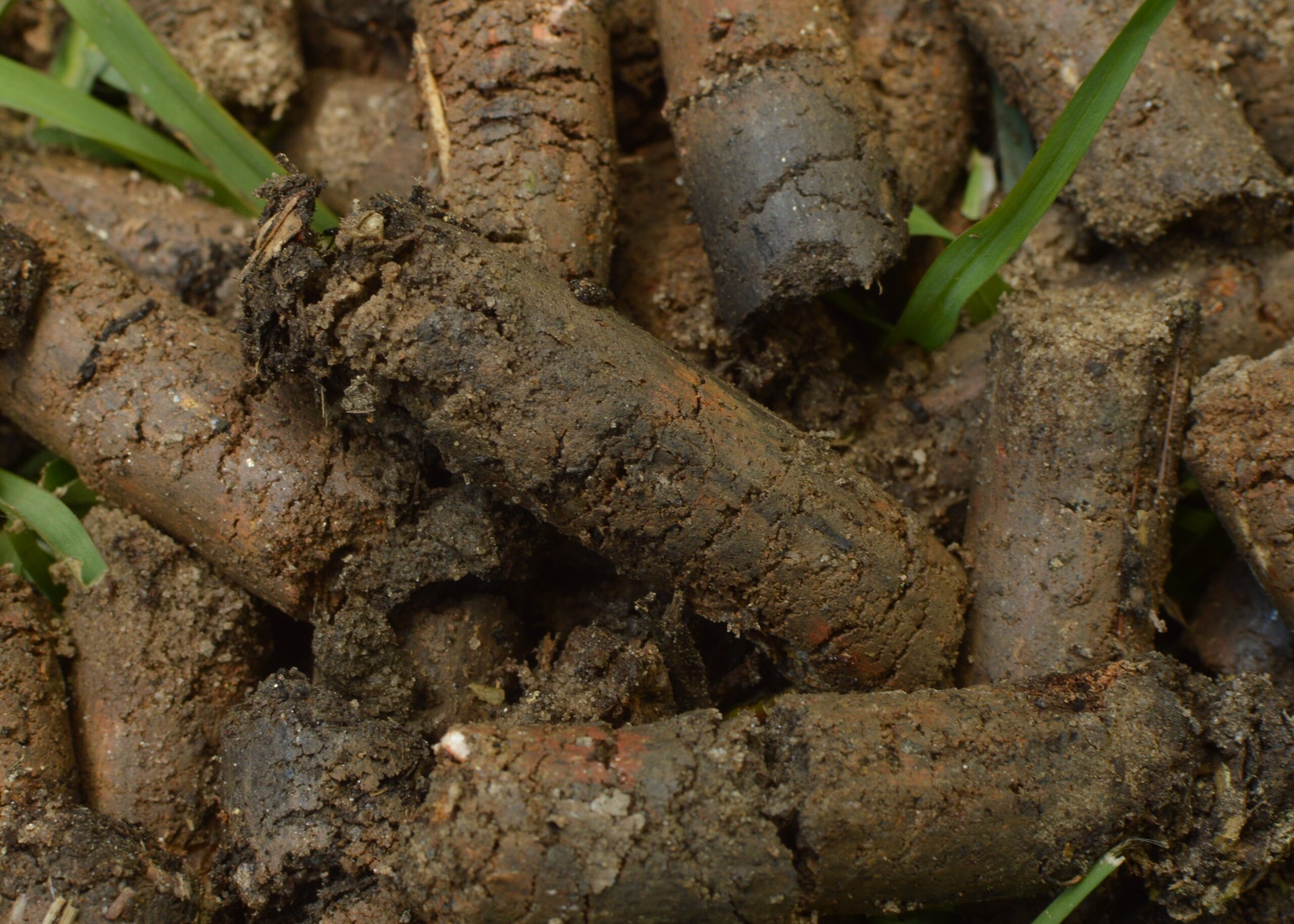
Close up of cores in the grass after lawn core aeration with aerator
What Happens When You Skip Two Seasons
Missing one season of aeration is not the end of the world, but skipping two in a row sets your lawn back in ways that are hard to fix quickly. Here is what we see most often in Glenview after two seasons without core aeration.
- Compaction intensifies. Soil particles press together, leaving less pore space for oxygen and water. Grass roots struggle, and growth slows.
- Thatch builds up. Without cores breaking up thatch, the layer of dead stems and roots thickens, blocking nutrients and trapping moisture at the surface.
- Thin turf and bare spots. Shallow roots cannot support dense growth, so you start to see weak patches, especially in high traffic areas and along sidewalks.
- Weeds move in. Compacted, thin turf opens space for dandelions, plantain, crabgrass, and nutsedge. Weeds outcompete stressed grass.
- Poor drainage and puddling. Water beads up and runs off, rather than soaking into the soil. You may notice puddles after storms or irrigation.
- Heat and drought stress. In summer, shallow roots dry out fast. Grass browns sooner and recovers slower.
- Winter and salt damage shows. In Glenview, winter salts and plow piles dehydrate compacted turf along curbs. Without aeration, recovery in spring is slow.
- Nutrient waste. Fertilizer sits on the surface or washes away with rain because the soil cannot absorb it efficiently.
- More disease pressure. Wet thatch and stressed turf create conditions for leaf spot, dollar spot, and snow mold to linger.
Core Aeration Glenview: Local Conditions That Shape Your Lawn
Our area’s clay heavy soils compact easily. Many Glenview properties also see regular foot traffic from active families and pets. Add in seasonal leaf drop, spring rains, summer heat, and winter salt, and you have a lawn that benefits from consistent aeration. Core aeration glenview is not a luxury. It is a routine health practice that keeps the soil open and your turf resilient through the seasons.
How to Tell Your Lawn Needs Aeration
Even if you are not sure when you last aerated, your lawn will show signs when it needs help. Watch for these indicators.
- Water runs off quickly or puddles in low areas.
- The lawn feels hard underfoot and resists a screwdriver pushed into the soil.
- Grass thins in sunny, high traffic zones.
- Roots are shallow, often less than 2 inches deep when you pull a small plug.
- Thatch layer is thicker than a half inch when you part the grass.
- Weeds appear despite regular mowing and fertilization.
- Brown spots linger longer during hot spells.
When to Aerate in Glenview
For cool season lawns in Glenview, early fall is best. Soil is still warm, nights are cooler, and weed pressure is lower. Spring aeration is also helpful, especially if you skipped fall, but it can bring up weed seeds if the timing is too early. Avoid mid summer when heat is high and turf is under stress. If you have skipped two seasons, plan on aerating in early fall, overseed right after, then follow up with a spring aeration the next year. This two step approach resets the root zone and thickens the turf.
Core Aeration vs Spike Aeration
Spike aeration pokes holes in the soil without removing material. It can actually increase compaction by pushing soil aside. Core aeration pulls plugs and leaves them to break down on the surface. These plugs topdress the lawn naturally, filter into the thatch layer, and improve the soil profile. For Glenview clay soils, core aeration is the right solution.
Why Pair Aeration With Overseeding and Topdressing
On its own, core aeration sets the stage for stronger roots. Paired with overseeding and light topdressing, you get a thick, lush lawn faster. After two seasons without aeration, this combo is especially valuable.
- Seeds fall into fresh holes and make better soil contact, so germination improves.
- Topdressing with compost or a compost and sand blend adds organic matter and evens out minor low spots.
- Thicker grass crowds out weeds naturally, reducing herbicide needs.
- Newer grass varieties bring disease resistance and color that your older turf may lack.
Our Proven Process at Poul’s Landscaping & Nursery
Since 1966, Poul’s Landscaping & Nursery has helped North Shore homeowners keep their lawns strong season after season. Our core aeration glenview service follows a proven process for consistent results.
- Site evaluation. We walk your property to identify compacted areas, shade patterns, irrigation coverage, and obstacles like tree roots, shallow utility lines, and invisible dog fences.
- Flagging and prep. We ask you to mark sprinkler heads and cable lines. We set flags as needed and review the mowing height and watering schedule with you.
- Core aeration. We use professional machines to pull 2 to 3 inch cores, with tight spacing in high traffic areas. This ensures uniform coverage across the lawn.
- Overseeding. If requested, we apply a premium cool season seed blend matched to your site’s sun and soil conditions.
- Topdressing. We can apply a thin layer of screened compost to add organic matter and help the seed settle into the holes.
- Fertilization. We finish with a starter fertilizer to support root growth and seedling development.
- Care plan. You receive simple aftercare instructions for watering, mowing, and traffic management while seedlings establish.
What Sets Poul’s Landscaping & Nursery Apart
Poul’s Landscaping & Nursery was founded in 1966 by Paul, also known as Poul, Kjeldbjerg after he emigrated from Denmark in 1959. The company began with one full time employee, a pick up truck, and a trailer. Paul named the company after the original Danish spelling of his first name. In the early days, the business ran from the basement of Paul and Margit’s Prospect Heights home while they raised their three children, Dan, Annette, and Alan. In 1983, Paul invested in 45 acres in Long Grove, complete with a barn and farmhouse, with plans for a nursery and office on site. Dan joined the company in 1986 after earning a marketing degree, and the first trees were planted that year. The landscape services office opened at the Long Grove farm in 1992. Alan joined in 1993 after earning a horticulture degree and took over nursery operations. In 1999, Poul’s acquired 112 acres in Wadsworth where it still operates wholesale nursery fields. Today, our team delivers a full range of landscaping services, from lawn health programs to seasonal color and even holiday lighting. The same values from 1966 guide us today. We treat your lawn like it is our own and we stand by our work.
The Cost of Skipping vs the Cost of Aerating
Skipping aeration for two seasons often leads to higher costs later. Thin turf invites weeds, which means more herbicide. Bare spots require more seed, more topdressing, and more time to fill in. Compaction limits fertilizer uptake, so you may spend more on products with less result. Core aeration glenview, done once or twice a year, protects your investment. A well aerated lawn uses water more efficiently, bounces back faster after heat, and stays thicker with fewer inputs.
Aftercare: Simple Steps That Maximize Results
Want to get the most out of aeration and seeding? Follow these simple steps right after service.
- Water lightly every day for the first 2 to 3 weeks if you overseeded, keeping the seedbed moist but not soggy. For aeration without seed, resume your normal deep, infrequent watering schedule.
- Keep mower blades sharp and mow taller, around 3 inches, to shade the soil and encourage deep roots.
- Minimize heavy traffic on newly seeded areas until the first few mowings are complete.
- Leave the soil plugs on the lawn. They will break down in a week or two and help reduce thatch naturally.
- Follow the fertilization plan recommended by Poul’s Landscaping & Nursery. Timing matters for strong root development.
Common Questions About Core Aeration in Glenview
Will aeration damage my sprinkler system?
We ask you to mark sprinkler heads and shallow lines before service. Our team works around these areas carefully. If you are unsure where lines run, we can help map them during the site evaluation.
How often should I aerate?
Most Glenview lawns benefit from annual aeration in early fall. High traffic lawns or properties with heavy clay may see even better results with both fall and spring aeration. If you skipped two seasons, plan on a fall aeration plus overseeding, then a spring aeration the next year.
What happens to the cores?
We leave them on the lawn. Rain and mowing will break them down quickly. The soil helps thin the thatch layer and returns microbes to the surface.
Do I need to aerate if I use a lawn service for fertilizer?
Yes. Fertilizer works best when the soil is open and roots are deep. Core aeration glenview increases nutrient uptake and helps you see more value from your lawn program.
Can I aerate in summer?
It is not recommended. Hot, dry weather can stress turf that was just aerated. Choose fall or spring for best results.
DIY Aeration vs Hiring a Pro
Hardware stores rent aerators, but there are tradeoffs. Machines are heavy and tricky to maneuver. Coverage is often uneven, and it is easy to miss areas or damage sprinkler heads. Professional crews are trained to vary pass direction, increase core density in compacted zones, and pair the work with overseeding and fertility. Poul’s Landscaping & Nursery also selects the right seed blend for your site and times the work based on weather. The result is a faster, thicker, and more reliable recovery, especially if you have skipped two seasons.
A Simple Annual Plan for Stronger Turf
If you want a lawn that stays thick and green through Glenview’s seasons, consider this simple plan after you reset with aeration and overseeding.
- Early spring. Light rake, soil test if needed, pre emergent for crabgrass, and a balanced fertilizer where appropriate.
- Late spring. Mow tall, spot treat weeds, and watch for drainage issues after storms.
- Summer. Water deeply and infrequently, avoid heavy fertilization when heat is high, and raise mowing height.
- Early fall. Core aeration glenview with overseeding and starter fertilizer. Topdress if soil is heavy.
- Late fall. Winterize fertilizer and final mow at standard height to reduce snow mold risk.
Why Core Aeration Matters Most After Two Missed Seasons
After two years without aeration, the soil structure has changed. Pores collapse, roots stay shallow, and the thatch layer thickens. A single pass in fall does a lot of good, but a strategic sequence works better. Fall aeration opens the soil and gets new grass started. Spring aeration the next year reduces compaction that returned over winter. Combined with a solid fertilization program, this rhythm rebuilds your root system and locks in gains.
Your Local Partner for Core Aeration in Glenview
Poul’s Landscaping & Nursery has served Glenview and surrounding communities for decades. With deep roots in the area and our own nursery fields, we understand local soils, grass varieties, and seasonal pressures. Our team can fold core aeration into a broader lawn care plan or deliver it as a standalone service, depending on your needs. We also offer enhancements like seasonal color, landscape design, plant health care, and holiday lighting, so your property looks its best year round.
Ready to Revive Your Lawn?
If your lawn feels hard, looks thin, or puddles after rain, do not wait for another season to pass. Core aeration glenview is the most efficient way to reset soil health and help your turf thrive. Contact Poul’s Landscaping & Nursery to schedule a visit. We will evaluate your lawn, recommend the right timing, and handle the work with care. Book your service today and take the first step toward a thicker, healthier lawn that can stand up to Glenview’s weather and everyday use.
