
How to Hide a Neighbor’s Second Story with Trees
How to Hide a Neighbor’s Second Story with Trees

A natural way to reclaim your backyard privacy
It is one thing to block a ground-level view. Hiding a neighbor’s second-story windows takes a smarter plan. The right trees can turn your yard into a calm, green retreat while adding beauty and value. If you are searching for the best trees for privacy in Illinois, this guide walks you through smart choices that reach second-story height, how to arrange them, and how to keep them healthy in our climate. Best trees for privacy in Illinois: Discover trees to hide a neighbor’s second-story view. See top picks, spacing tips, and care advice. Start planting today!
Since 1966, Poul’s Landscaping & Nursery has helped Illinois homeowners design and plant living privacy screens that look great from day one and get better every season. With deep roots in Long Grove and wholesale nursery fields in Wadsworth, our team grows and selects hardy trees that thrive in Chicagoland conditions. Below, you will find expert tips you can put to work right away.
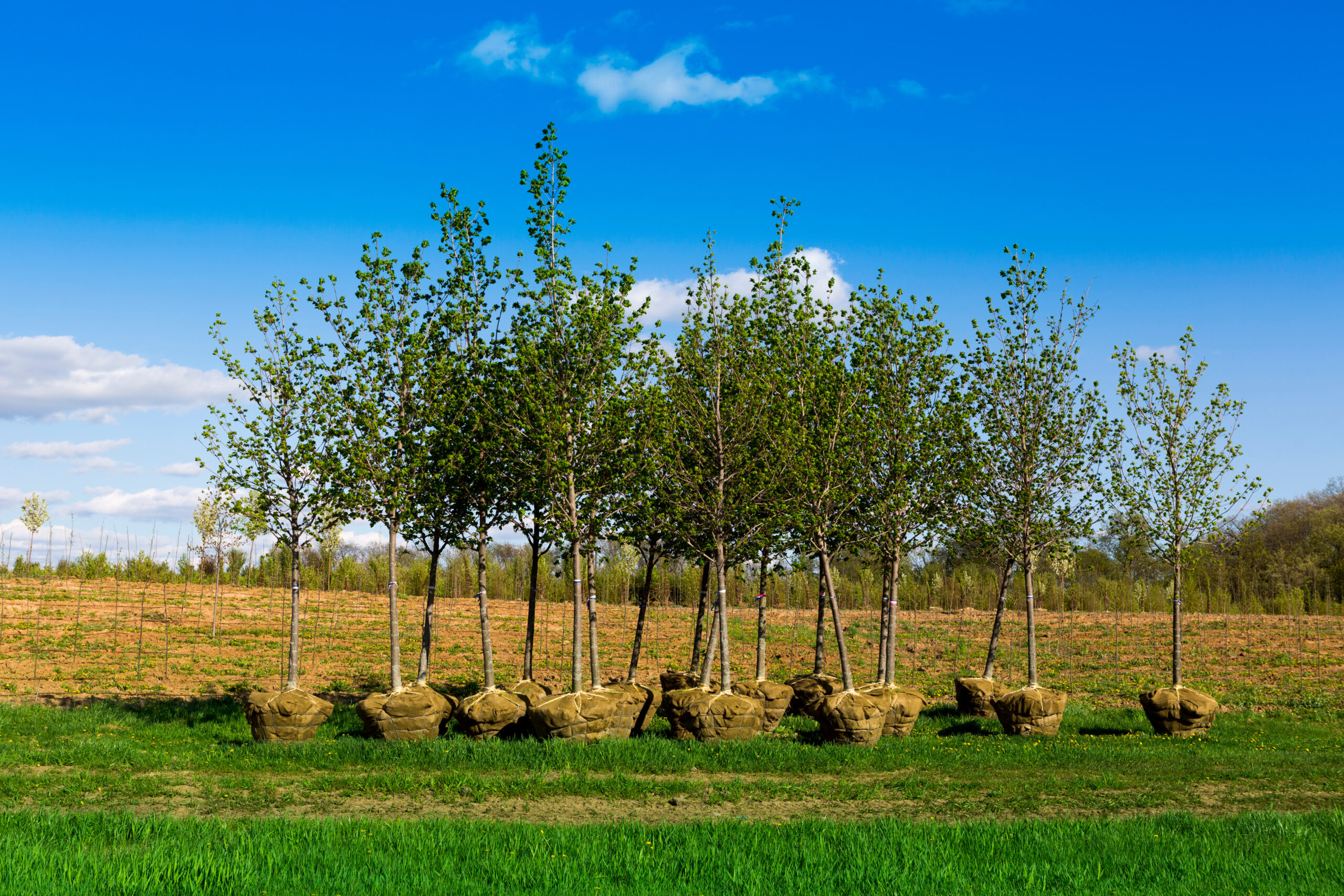
planting trees
leaf trees nursery in spring
What makes a great privacy tree for second-story coverage
Blocking a second-story view means your trees need real height, dense branching, and long-term durability. Use this quick checklist when choosing the best trees for privacy in Illinois.
- Mature height of 25 to 60 feet to intercept second-story sightlines
- Dense year-round foliage or a mix of evergreen and deciduous for four-season screening
- Strong structure with good wind and ice tolerance for Zone 5
- Noninvasive roots that will not threaten foundations or utilities
- Road salt and urban tolerance where needed
- A footprint that fits your yard width and setbacks
- Reliable availability from local nurseries so you can plant matching groups
The best trees for privacy in Illinois to block second-story views
Eastern white pine
Why it works: Eastern white pine is a fast grower with soft needles and a classic form. It reaches 50 to 80 feet in time, which makes it excellent for second-story privacy. It gives quick coverage, especially when planted in staggered rows. Spacing: 12 to 20 feet apart, depending on the size you buy and the spread you want. Pros: Fast, lush, affordable in larger sizes. Cons: Not a fan of heavy road salt. Give it good air flow and regular watering while it establishes.
Norway spruce
Why it works: Norway spruce is a tough, handsome evergreen with strong wind tolerance and graceful, slightly drooping branches. It grows to 40 to 60 feet and holds dense foliage to the ground when young, which helps fill privacy gaps. Spacing: 12 to 18 feet. Pros: Cold hardy, great in open wind, rich green color. Cons: Needs room to spread, so plan your bed width.
Black Hills spruce
Why it works: Compact and very dense, Black Hills spruce matures around 25 to 40 feet. It is ideal where you want evergreen coverage but do not have space for the widest spruces. Spacing: 10 to 16 feet. Pros: Consistent shape, excellent winter color. Cons: Slower than white pine or Norway spruce, so mix with a few faster growers if you want quicker screening.
Green Giant arborvitae
Why it works: Green Giant is a popular choice for narrow screens. It grows quickly to 30 to 50 feet and stays relatively slim. It is one of the best trees for privacy in Illinois where a fence-like look is desired, yet you still need height for second-story coverage. Spacing: 8 to 12 feet in a single row, or use a zigzag pattern for more depth. Pros: Fast, adaptable, handsome. Cons: In heavy deer areas, protect new plantings with repellents or temporary fencing.
Wintergreen and Techny arborvitae
Why they work: Wintergreen arborvitae often reaches 25 to 30 feet and holds a narrow, formal look. Techny is dense, deep green, and dependable, usually topping out around 15 to 20 feet. These are great for lower-level privacy and for layering in front of taller evergreens that handle the second-story view. Spacing: 4 to 6 feet for a tight hedge look. Strategy tip: On narrow lots, combine a back row of taller spruces or pines with a front row of Wintergreen or Techny to create a deep, two-layer screen.
Eastern red cedar
Why it works: Native to the region, Eastern red cedar is a tough, upright juniper that reaches 35 to 50 feet. It tolerates drought, wind, and even some salt. Blue berries and year-round color bring wildlife interest. Spacing: 10 to 15 feet. Pros: Very hardy and narrow. Cons: Foliage can bronze in winter in exposed sites, which is natural and not harmful.
White spruce
Why it works: White spruce is a sturdy, full evergreen with a tidy pyramidal shape. It can reach 40 to 60 feet and handles cold, wind, and many soil types. Spacing: 12 to 18 feet. Pros: Long-lived and reliable. Cons: Needs some space to look its best.
Hybrid poplar
Why it works: Hybrid poplar can grow 5 to 8 feet per year, quickly topping a neighbor’s second-story sightline. Use it as a fast starter while slower, longer-lived evergreens mature. Spacing: 15 to 25 feet. Pros: Blazing speed. Cons: Shorter lifespan and weaker branching. Think of it as a nurse tree rather than the final screen.
Tuliptree
Why it works: Tuliptree grows tall and straight, often 60 to 90 feet at maturity, with a tidy form when young. In summer the large leaves create heavy shade and strong visual privacy from above. Spacing: 20 to 30 feet. Pros: Native, stately, fast-moderate growth. Cons: Deciduous, so pair with evergreens for winter coverage.
River birch (clump form)
Why it works: Multi-stem river birch creates a tall, textured veil that reaches 30 to 50 feet and loves moist areas. The peeling bark adds four-season interest. Spacing: 15 to 25 feet between clumps. Pros: Great for wet or low spots and for softening views. Cons: Drops leaves and some small twigs, so not ideal near pools. Combine with evergreens for year-round privacy.
Regal Prince oak and other columnar trees
Why they work: Columnar oaks like Regal Prince grow to 45 to 55 feet, with a narrow spread that fits tight side yards. Their upright habit lifts the screen into a neighbor’s second-story line without taking over your lawn. Spacing: 12 to 18 feet. Pros: Strong structure, elegant form. Cons: Deciduous, so best used as part of a mixed screen.
Design strategies that actually hide second-story views
Layer your screen for height and density
A single row can work, but a layered approach often performs best. Place tall evergreens or columnar trees at the back of the bed, then add a mid layer of arborvitae or dense shrubs in front. This staggered wall of foliage blocks gaps, reduces noise, and looks more natural.
Use a subtle berm
A 1 to 2 foot high berm can lift your planting enough to intercept upstairs sightlines faster. Berms also improve drainage in heavy clay soils. Poul’s Landscaping & Nursery builds gentle, wide berms that blend into the yard and provide perfect rooting depth for new trees.
Stagger, do not line up
Set trees in a zigzag pattern rather than a straight line. This trick uses less space while achieving a fuller screen. It also creates a more organic look and better wind movement through the planting.
Plan for mature size
Give each tree room to reach its natural width. Crowding reduces airflow and invites disease. Smart spacing also saves you from constant pruning. If you are unsure, our designers at Poul’s Landscaping & Nursery will map the mature spread and help you right-size your layout.
Spacing and sizing guidelines
- Green Giant arborvitae: 8 to 12 feet apart
- Wintergreen or Techny arborvitae: 4 to 6 feet apart for a hedge
- Norway or White spruce: 12 to 18 feet apart
- Black Hills spruce: 10 to 16 feet apart
- Eastern white pine: 12 to 20 feet apart
- Eastern red cedar: 10 to 15 feet apart
- River birch clumps: 15 to 25 feet apart
- Regal Prince oak: 12 to 18 feet apart
- Hybrid poplar: 15 to 25 feet apart
Tip: If you plan to add a mid layer of arborvitae in front of tall spruces, set the rows 6 to 10 feet apart so both layers have breathing room.
Planting and care for long-term success
Best time to plant
In Illinois, plant most trees in early spring after the ground thaws or in early fall while the soil is still warm. These windows give roots the best chance to establish before heat or deep cold arrives.
Soil prep and drainage
Most evergreens prefer well-drained soil. If your yard holds water after rain, build a low berm or amend planting beds. Poul’s Landscaping & Nursery can test drainage and recommend adjustments before you plant.
Watering schedule
During the first year, water deeply once or twice per week, depending on weather. A good rule is 10 to 15 gallons per inch of trunk diameter per week during hot, dry spells. Keep soil moist, not soggy.
Mulch the right way
Spread 2 to 3 inches of shredded mulch over the root zone. Keep mulch a few inches away from the trunk. Avoid mulch volcanoes, which trap moisture against bark and invite pests.
Protection and pruning
In deer-prone areas, protect arborvitae and young pines with repellents or temporary fencing, especially in winter. Prune lightly to guide shape and remove deadwood. Avoid heavy shearing of spruces and pines, which can reduce natural density.
Fertilizer and staking
Skip fertilizer the first season unless a soil test shows a need. Proper watering does more for establishment than feeding. Stake only if a tree is in a very windy spot, and remove stakes after the first year to allow natural trunk strength to develop.
Common mistakes to avoid
- Picking trees that stay too short to block a second-story window
- Planting too close to property lines, sidewalks, or foundations
- Ignoring overhead lines and sightlines
- Overcrowding rows, which leads to thin foliage and disease pressure
- Choosing species that struggle with Illinois winters or road salt
- Relying only on deciduous trees if you need privacy in winter
- Planting invasive options like Callery pear, which spreads in the Midwest
Sample privacy layouts that work
Narrow side yard
Back row: Green Giant arborvitae every 10 feet. Front row, staggered: Wintergreen arborvitae every 5 feet. Result: Tall, narrow coverage that climbs into the second-story view within a few years.
Open backyard with wind exposure
Back row: Norway spruce every 14 feet. Mid row: Black Hills spruce staggered between the Norways. Front accents: River birch clumps for texture. Result: A wind-tough, layered screen with four-season depth.
Wet corner or swale
Back row on slight berm: White spruce every 16 feet. Front row in the wetter zone: River birch clumps. Result: Healthy roots and a full, natural screen across changing soil conditions.
How tall should the screen be to block second-story views
Most two-story windows are 16 to 22 feet above grade. If your trees sit 15 to 30 feet from the viewing point, plan for a screen that reaches at least 25 to 35 feet tall to break sightlines. For faster results, use a berm and choose a mix of quick growers like Green Giant arborvitae or Eastern white pine with long-lived anchors like spruce.
Why work with Poul’s Landscaping & Nursery
Poul’s Landscaping & Nursery has been family owned since 1966, when Paul Kjeldbjerg founded the company after moving from Denmark. From a small start in Prospect Heights to nursery fields in Wadsworth and our Long Grove farm, we have grown by focusing on quality plants and friendly, expert service. Our team designs, sources, and plants privacy screens that fit your space, style, and budget. We also offer lawn health services, seasonal color, and even holiday lighting so your landscape looks great all year.
Here is what you can expect when you partner with us for your privacy project:
- On-site assessment of views, sun, soil, wind, and utilities
- Tree selections matched to Illinois winters and your yard size
- A layered plan that mixes evergreen and deciduous for year-round results
- Professional planting with correct depth, watering, and mulching
- Clear instructions for care, plus optional maintenance visits
Frequently asked questions
Will trees really block a neighbor’s second-story window
Yes, with the right height and placement. Most homeowners see meaningful privacy in two to four years with fast growers, and a solid, mature screen within five to eight years with spruces and pines. A small berm speeds up results.
What are the best trees for privacy in Illinois if I want fast results
Green Giant arborvitae and Eastern white pine deliver quick coverage. For long-term strength, mix in Norway spruce or White spruce. Hybrid poplars can be used as temporary fillers while slower, permanent trees catch up.
How close can I plant to the property line
Rules vary by town and HOA, but 3 to 6 feet inside your line is common. Always call 811 before you dig and check local ordinances. Poul’s Landscaping & Nursery can help you design within the rules and still reach your privacy goals.
What if I need privacy this year
Choose larger, field-grown trees and install a two-layer screen. Pair immediate coverage with a few fast growers to close remaining gaps by next season. Temporary lattice or outdoor curtains on a pergola can help while trees establish.
Do I need irrigation
Not always, but a simple drip line makes watering easy and consistent, which speeds establishment. In hot, dry summers, even drought-tolerant trees need regular moisture while young.
Start your privacy plan today
With a thoughtful design and the right mix of species, you can hide second-story views and enjoy a peaceful backyard in every season. From tough spruces to slim columnar oaks and fast Green Giants, the best trees for privacy in Illinois are ready to transform your space. Poul’s Landscaping & Nursery will help you choose, plant, and care for a living screen that fits your yard and grows more beautiful every year. Ready to get started? Reach out to our friendly team, and let us design a custom plan that finally gives you the privacy you want.
