
Why Is My Oak Tree Bark Peeling Off?
Why Is My Oak Tree Bark Peeling Off?

Quick answer and why it matters
If you notice your oak tree bark peeling, do not panic right away. Some peeling is normal as trees grow. Other times it signals stress, pests, or disease. Strong tree disease identification helps you decide if your oak needs simple care or urgent help. In this guide, you will learn why oak bark peels, how to spot warning signs, what fixes work, and when to call a pro. Catching problems early protects your landscape and saves money.
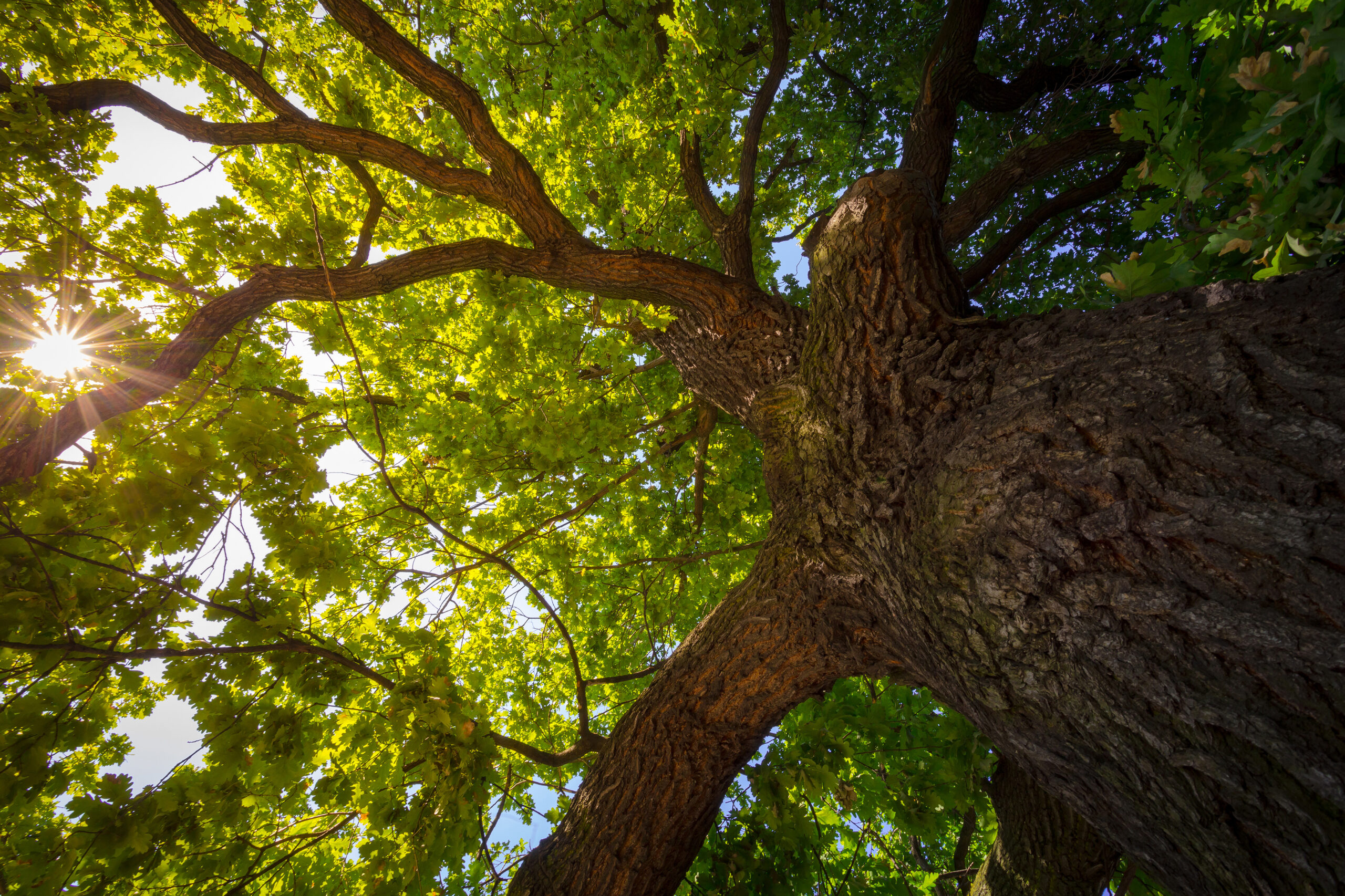
Look up under the old huge tree. Sunlight through the oak tree b
Look up under the old huge tree. Sunlight through the oak tree branches.
Is peeling bark normal on oaks?
Natural shedding vs true problems
Oaks renew their outer bark slowly. As trunks expand, small patches can loosen and flake away. In many white oaks, soft, papery strips appear on older bark plates. This mild shedding is normal if the wood under the loose bark looks firm and healthy. Leaves stay green, twigs are flexible, and there is no foul smell or sap ooze.
Peeling becomes a concern when large bark sheets drop in a short time, the wood beneath looks dark or crumbly, or you see insect tunnels and sawdust. If your oak shows leaf wilting, dieback from the top down, or sudden browning in summer, treat peeling bark as a symptom that needs closer tree disease identification.
Seasonal and age factors
Weather and age can influence peeling. Mature oaks can show more ridging and flaky bark plates that break off at the edges. Winter sun and cold can crack bark, then small strips peel during spring warm-ups. After storms, wind whip or ice loads can scuff bark. A little peeling around shallow scrapes often heals on its own. Young oaks rarely peel unless there is a stressor like sunscald, mower damage, or a pathogen.
Common causes of bark peeling on oaks
Environmental stress that harms bark
- Sunscald and frost cracks: Bright winter sun warms the south or southwest side of the trunk. After sunset, temperatures plunge and cells rupture. This can split bark. In spring, you may see peeling along long, vertical cracks.
- Drought or overwatering: Long dry spells lower sap flow and weaken cambium tissue. Oversaturated soil suffocates roots. Both can lead to bark dieback and flaking.
- Soil compaction: Foot traffic, heavy equipment, or parking under the tree squeezes air from soil. Roots suffer, and bark may peel as sections die.
- Salt and chemical injury: Road salt spray or herbicides can scorch bark and leaves. Look for damage on the road-facing side of the tree.
- Mechanical damage: String trimmers, mowers, or careless staking can scar trunks. Wounded areas may shed bark as the tree tries to compartmentalize the injury.
- Mulch volcanoes: Piled mulch against the trunk traps moisture and invites pests and decay. Bark rots and sloughs away over time.
Insects that lead to bark sloughing
- Two-lined chestnut borer: This beetle targets stressed oaks. Larvae feed under bark, carving winding galleries that cut off water flow. You may see D-shaped exit holes, canopy thinning, and peeling bark that reveals pale, serpentine tunnels.
- Oak bark beetles: These small beetles carry fungi and feed on twigs and trunks. Heavy attacks can cause bark to loosen and fall.
- Scale insects: Heavy scale infestations weaken twigs and branches. While scale does not always cause peeling alone, it stresses the tree and can open the door to secondary pests and pathogens.
- Carpenter ants: They do not start the problem, but they nest in decayed wood. If you find carpenter ants under peeling bark, look for an underlying disease or rot.
Diseases to watch
- Oak wilt: A serious fungal disease, spread by beetles and root grafts, that can kill red oaks within weeks. Symptoms include sudden wilting, bronzing or browning leaves from the tips inward, and vertical bark cracks with fungal mats in advanced cases. Bark may loosen as tissues die. This threat demands fast tree disease identification and action.
- Hypoxylon canker: Often strikes stressed oaks. Early signs include thinning canopies and pale leaves. Later, bark sloughs off in sheets, exposing a powdery or crusty layer that may look tan, olive, gray, or black. The wood beneath is dry and brittle.
- Anthracnose: A leaf and twig disease that thrives in cool, wet spring weather. It causes leaf blotches and minor twig dieback. It rarely causes trunk bark to peel, but repeated stress weakens bark health over time.
- Armillaria root rot: A soil-borne fungus that attacks roots. Signs include honey-colored mushrooms near the base in fall, white fungal sheets under the bark near the root flare, and extensive bark sloughing as the base decays.
Tree disease identification: how to diagnose peeling bark
Step-by-step checklist
- Note timing and speed: Did peeling follow a cold snap or heat wave, or did it appear suddenly mid-summer? Rapid changes can point to disease or borers.
- Check location: Is peeling on the south or southwest side only, near the base, or on random branches? Sunscald often favors the south side. Root issues show near the base.
- Inspect the wood under bark: Healthy wood is firm and cream colored. Discolored, wet, crumbly, or powdery wood suggests disease. Look for black, gray, or tan fungal layers under bark.
- Search for insect signs: Note D-shaped or round exit holes, winding tunnels, sawdust, or sticky sap. Photograph anything you find for expert review.
- Study the canopy: Are leaves wilting from the top down? Are there bare branches or short shoots? Early canopy thinning often comes before heavy bark loss.
- Look at leaves and twigs: Margin browning, tip dieback, or blotchy patterns can help differentiate drought, scorch, and diseases like anthracnose or oak wilt.
- Examine roots and soil: Are roots exposed or suffocating under deep mulch? Is the soil compacted or waterlogged? Healthy roots are key to bark health.
- Review site history: Recent grading, new driveways, trenching, or lawn changes can stress oaks. Even a project from last year can trigger peeling now.
- Assess nearby trees: If neighboring oaks show similar symptoms, disease spread or shared stress is more likely.
- Document with photos: Take clear pictures of peeling areas, the whole tree, and the site. Good documentation speeds professional tree disease identification.
Red flag symptoms that need quick action
- Sudden wilting and leaf drop in early to mid-summer, especially in red oaks.
- D-shaped exit holes and serpentine galleries under peeling bark.
- Large bark sheets sloughing off with dark, brittle wood below.
- Honey-colored mushrooms at the base or white fungal growth under lower bark.
- Strong sour or fermenting odor and wet, stained bark at wounds.
- Rapid top-down dieback with sections of trunk cracking vertically.
What to do right now
Immediate care you can do
- Do not peel more bark: Loose edges protect living tissue at the margin. Leave them in place.
- Water wisely: During dry spells, water deeply once a week at the dripline. Avoid daily sprinkles. Do not overwater in heavy clay soils.
- Mulch correctly: Apply a 2 to 3 inch layer of wood chips or shredded bark from 6 inches away from the trunk to several feet out. Keep the flare visible.
- Prune small broken twigs: Use clean, sharp tools to remove storm-damaged branches. Make proper cuts just outside the branch collar. Disinfect tools between trees.
- Shield from winter sun: In late fall, wrap young oak trunks with a breathable trunk wrap to reduce sunscald. Remove the wrap in spring.
- Stop fertilizing unless soil tests suggest it: Excess nitrogen can stress oaks and attract insects.
- Protect the root zone: Keep equipment, cars, and storage off the soil under the canopy. Expand planting beds to reduce turf competition.
When to call a professional
Call a tree care professional if you suspect oak wilt, hypoxylon canker, or borer activity, or if bark is peeling on several sides with canopy decline. Large trees and disease management require training and proper tools. Poul’s Landscaping & Nursery offers experienced help with tree disease identification, site assessments, and long-term plant health care plans. Our team can evaluate soil conditions, irrigation patterns, compaction, and construction impacts. We can recommend pruning timing, risk reduction steps, and if needed, coordinate safe removals or referrals for specialized treatments. If you are in northern Illinois and want a friendly, professional opinion, Poul’s Landscaping & Nursery is ready to help.
Oak-specific problems in northern Illinois
Oaks in northern Illinois face freeze-thaw cycles, lake effect winds, and heavy spring rains that can set up peeling bark problems. Red oaks tend to be more vulnerable to oak wilt and two-lined chestnut borer. White oaks tolerate some stress better but can suffer hypoxylon canker if drought or root damage hits. Urban and suburban sites add soil compaction, reflected heat from pavement, and high-salt exposure from winter road treatments. These factors compound, making accurate tree disease identification crucial for local oaks. A thoughtful plan that respects soil biology and root space is the best defense.
Prevention plan for strong bark
Care through the year
- Late winter: Schedule structural pruning while beetle activity is low. For any unavoidable pruning during high-risk months, immediately seal oak wounds with pruning paint to deter beetle transmission of pathogens.
- Spring: Inspect for winter cracks, adjust irrigation, and refresh mulch. Monitor leaves for early blotches that signal anthracnose and note any unusual wilting.
- Early summer: Check for borer exit holes and look under loose bark for galleries. Deep water during dry spells. Avoid pruning during peak beetle season when possible.
- Late summer: Assess canopy density. If you see thin foliage or dieback, plan a professional evaluation. Keep mowers and trimmers well away from trunks.
- Fall: Soil test and correct pH and nutrient balances as needed. Improve drainage where water pools. Remove deadwood with proper cuts or schedule a pro.
- Winter: Install trunk wraps for young trees to reduce sunscald. Mark root zones to limit snowpile placement and salt splash.
Plant health basics for long-lived oaks
- Choose the right site: Oaks need good drainage and space. Avoid planting in low, wet spots or over utility trenches.
- Protect the root flare: Keep soil and mulch off the trunk so the flare is visible. Burying the flare invites rot and peeling.
- Balance soil pH: Many oaks prefer slightly acidic to neutral soil. Soil testing guides smart amendments.
- Improve compacted soil: Air tilling or vertical mulching by a pro can restore oxygen and water flow to roots.
- Water deep and infrequent: Focus irrigation at the dripline, not at the trunk. Adjust for rainfall and soil type.
- Time pruning wisely: In our region, winter pruning reduces the risk of oak wilt spread. If you must prune in spring or early summer, paint cuts right away on oaks.
- Keep tools clean: Disinfect cutting tools between trees to lower disease spread.
- Promote biodiversity: Mixed plantings support beneficial insects and reduce pest outbreaks.
Frequently asked questions
- Q: Is peeling bark always a sign of disease? A: No. Mild, patchy flaking with healthy wood under it can be normal as the tree grows. If you also see leaf wilting, insect holes, or dark, crumbly wood, investigate further.
- Q: Can I glue or tape bark back on? A: No. Do not reattach bark. Keep the area clean and dry, and avoid further injury. The tree will form callus tissue on its own.
- Q: Should I seal every wound? A: For oaks, sealing fresh pruning cuts during high-risk beetle months can help reduce disease transmission. In winter, sealing is usually not needed. Follow local guidance or ask a pro.
- Q: How fast does oak wilt kill? A: Red oaks can decline within weeks. White oaks may decline more slowly. If you suspect oak wilt, seek expert tree disease identification right away.
- Q: Are lichens on bark harmful? A: No. Lichens are harmless. They often grow on slow-growing or stressed trees, so they can be a clue to check site conditions, but they do not cause peeling.
- Q: Can drought alone make bark peel? A: Yes. Severe drought weakens tissues and lets pests and diseases in. Combine drought care with deep watering, proper mulch, and root zone protection.
How Poul’s Landscaping & Nursery can help
Poul’s Landscaping & Nursery has deep roots in northern Illinois. Founded in 1966 by Paul Kjeldbjerg, who named the company with the original Danish spelling of his first name, our family business grew from a single pick-up truck and trailer to a respected landscape and nursery operation. Paul sharpened his craft under Otto Damgaard, one of the area’s early landscape contractors. The company began in the basement of Paul and Margit’s Prospect Heights home, where Margit managed the office while raising their three children. In 1983, Paul invested in 45 acres in Long Grove with a barn and farmhouse, aiming to build a nursery and office on the property. In 1986, his son Dan joined after earning a marketing degree, and the first trees went into the ground. The landscape services office opened at the farm in 1992. In 1993, Paul’s son Alan, a horticulture graduate of The Ohio State University, took charge of nursery operations. By 1999, the family added 112 acres in Wadsworth for wholesale nursery fields. Today, Poul’s Landscaping & Nursery blends decades of hands-on knowledge with friendly, reliable service.
If your oak has peeling bark, our team can help with thoughtful tree disease identification, site evaluation, and practical fixes. We can check soil structure, moisture levels, and root health, look for insect or fungal signs, and lay out a care plan you can follow with confidence. From deep mulching and irrigation plans to careful pruning and root zone protection, we focus on solutions that make sense for your property. If removal or specialized treatment is needed, we help you understand options and coordinate next steps. Whether you want to safeguard a legacy white oak or troubleshoot sudden peeling after a tough winter, Poul’s Landscaping & Nursery brings a professional, trustworthy approach to every visit.
Get started
Peeling bark does not always mean disaster, but it always deserves a closer look. Use the steps in this guide to document symptoms and rule out simple causes. If you see red flags or want a second opinion, reach out to Poul’s Landscaping & Nursery. Our family has cared for trees, soil, and landscapes across northern Illinois for generations. We are ready to help you protect your oaks with precise tree disease identification and a clear, actionable plan. Schedule a consultation today and give your oak the strong, healthy bark it deserves.
