
Keep Ticks and Fleas Out of Your Family’s Backyard
Keep Ticks and Fleas Out of Your Family’s Backyard

How to Get Rid of Grass Fleas and Enjoy Your Yard Again
If you are wondering how to get rid of grass fleas without turning your backyard into a no-go zone, you are in the right place. This guide explains how to identify fleas and ticks, the exact steps to take today, and the maintenance habits that keep them from coming back. You will also find pet-safe tips, smart product options, and easy upgrades to make your landscape less inviting to pests. At Poul’s Landscaping & Nursery, we have helped families care for healthy, beautiful yards since 1966, and we are happy to share what works in real backyards like yours.
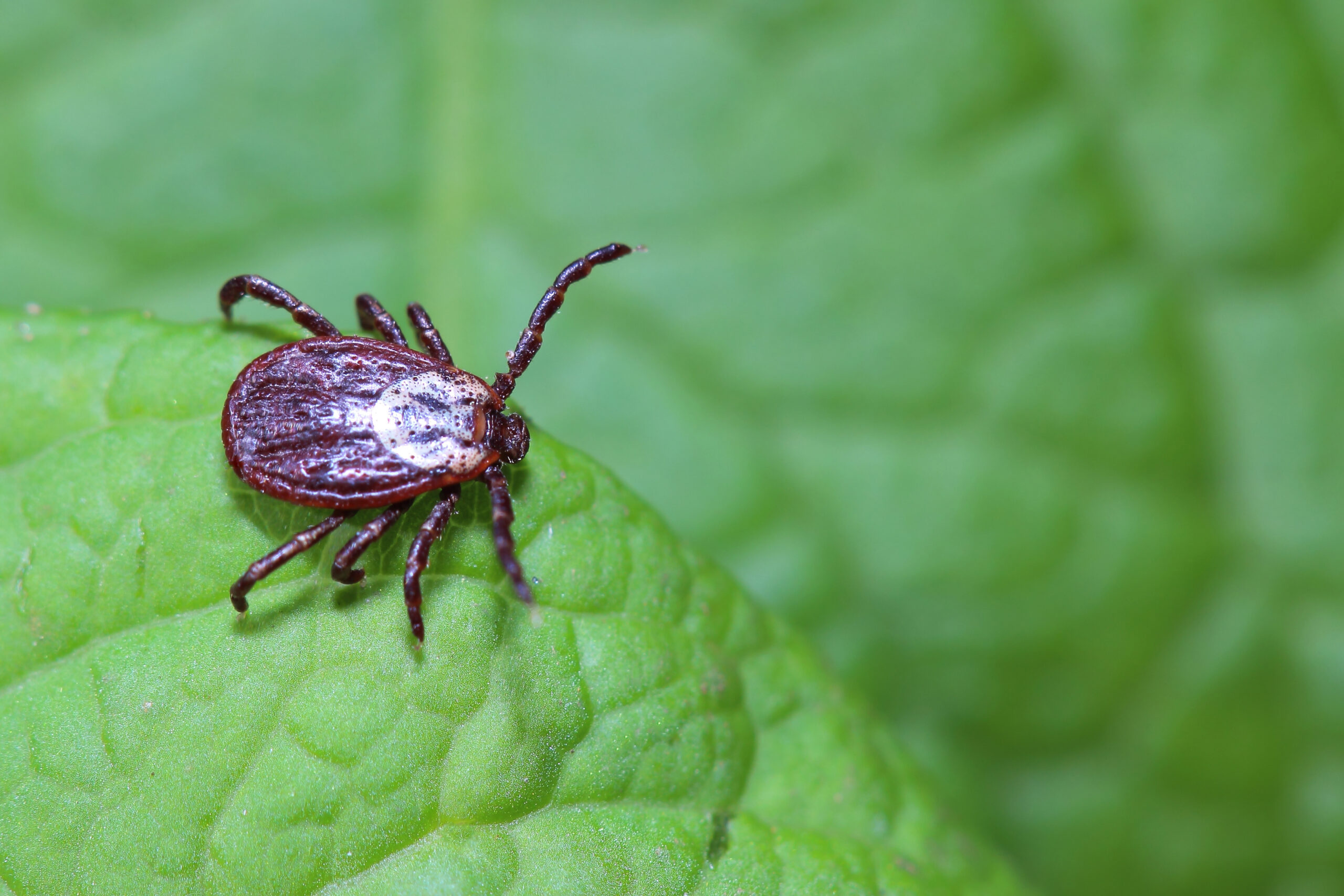
The tick waiting on a green leaf in the forest
What Are Grass Fleas and Why They Love Lawns
Grass fleas is a common way to describe flea infestations that show up in lawns, shady borders, mulch beds, and leaf litter. Most backyard fleas are cat fleas or dog fleas. They feed on warm-blooded animals, including pets and wildlife. They prefer humid, shaded areas where they can lay eggs and complete their life cycle.
Fleas move fast and are expert jumpers, which makes them tricky to spot. They lay eggs on animals, in bedding, and anywhere pets nap or wildlife visits. Eggs hatch into larvae that hide in organic debris. After pupating, adults look for a host to feed on. This cycle can repeat quickly in warm, moist conditions. Ticks are different but often share the same hotspots, especially along property edges with brush, tall grass, or stacked wood.
How to Tell You Have a Flea or Tick Problem
Before you plan how to get rid of grass fleas, confirm what you are dealing with. Here are reliable signs to look for outdoors and indoors.
- People or pets get itchy bites concentrated around ankles, legs, or waist.
- Small dark specks jump when you disturb grass or mulch with your hand.
- Pet scratching increases, and you find flea dirt on their bedding. Flea dirt looks like black pepper that turns red when wet.
- Wildlife activity is common near your lawn edges. Squirrels, raccoons, rabbits, opossums, and stray cats can carry fleas and ticks.
- Ticks appear on clothing after yard work, especially after walking through tall grass or brushy areas.
Quick Answer: How to Get Rid of Grass Fleas Fast
Use this fast-track plan if you want quick relief. You will still need follow-through, but these steps can calm a surge of activity in a few days.
- Treat pets the same day. Ask your veterinarian for a fast-acting flea product and follow directions exactly.
- Mow the lawn to about 3 inches and bag clippings for one to two weeks to remove eggs and larvae.
- Rake and remove thatch, leaf piles, and yard clutter where larvae hide. Focus on shady borders and under decks.
- Apply a yard product that combines a flea adulticide with an insect growth regulator. Follow the label and keep people and pets off the area until it is dry.
- Wash pet bedding and vacuum indoor floors and upholstery every day for a week. Empty the vacuum outside.
- Repeat your outdoor treatment after 10 to 14 days to break the life cycle.
The Complete Plan: How to Get Rid of Grass Fleas and Keep Them Away
Step 1: Protect Pets and People First
Pest control starts with hosts. If pets remain untreated, fleas will return no matter what you do outside. Work with your vet for flea control on dogs and cats. Choose a recommended collar, oral medication, or topical product. Treat all pets in the home at the same time. For people, wear shoes and light-colored socks outdoors, tuck pants into socks when working in tall grass, and use an EPA-registered repellent as directed on the label when ticks are active.
Step 2: Mow, Water, and Clean the Right Way
Fleas and ticks love dense, damp cover. Small changes in lawn care make your yard less welcoming.
- Set mowing height near 3 inches. Trim tall borders and along fences where grass often grows longer.
- Water deeply but less often to avoid constant surface moisture. Overwatering boosts flea survival.
- Dethatch or rake problem spots. Flea larvae hide in thatch and debris.
- Bag clippings during the initial two weeks of control, then resume mulching once activity drops.
- Clear leaves, sticks, and yard clutter. Keep the space under decks clean and dry.
Step 3: Use Targeted Yard Treatments
Yard products work best when you aim them where pests live. Always read and follow label directions. Keep children and pets off treated areas until the label says it is safe.
- Insect growth regulators. Look for active ingredients like methoprene or pyriproxyfen. These disrupt flea development and help prevent reinfestation.
- Adulticides for fast knockdown. Products with bifenthrin, lambda-cyhalothrin, or permethrin can reduce adult fleas on contact when used as directed.
- Beneficial nematodes. Steinernema carpocapsae or Steinernema feltiae are living microscopic organisms that attack flea larvae in soil. Apply when soil is moist and shaded, and keep the area damp for several days. Use fresh, reputable sources and follow storage and application directions.
- Dusts and desiccants. Diatomaceous earth and certain silica-based products can dry out fleas in dry, sheltered areas. Avoid breathing dust, and do not use pool-grade DE. Apply lightly and keep it out of play areas and pet bowls.
- Perimeter and hot spot focus. Treat edges of lawns, shady beds, under shrubs, and along foundations. Fleas rarely thrive in full sun areas that dry quickly.
Step 4: Treat Shady and Hidden Zones
Flea and tick populations concentrate where it is cool and protected. Prioritize these areas.
- Under decks, stairs, and porches where pets nap.
- Along fence lines, behind sheds, and under low-hanging shrubs.
- Mulched beds near entries and pet paths.
- Leaf piles, stacked wood, and dense groundcovers that trap moisture.
Step 5: Limit Wildlife Vectors
Many backyard flea and tick introductions arrive on wildlife. Discourage frequent visits and you reduce reinfestation risk.
- Move bird feeders away from patios and play areas. Clean spilled seed that attracts rodents.
- Secure trash, compost, and pet food. These draw raccoons, opossums, and stray animals.
- Trim back vegetation that creates sheltered runs along fences.
- Use fencing or plantings to limit access to favorite hangouts, especially if you regularly see rabbits or stray cats.
Step 6: Build a Healthier Landscape That Pests Dislike
Good design makes long-term flea and tick control easier. Poul’s Landscaping & Nursery can help you shape your yard for better airflow, sunlight, and drainage. Healthier lawns dry out faster after rain and irrigation, which helps interrupt flea development.
- Open dense plantings to increase sun and airflow.
- Replace perpetually damp spots with hardscape or raised beds.
- Improve drainage around downspouts and low areas.
- Choose groundcovers that do not mat heavily in shade, or switch to mulches that dry quickly.
How to Get Rid of Grass Fleas: Product Picks and When to Use Them
The best approach often blends chemistry, biology, and maintenance. Here is a simple framework for matching products to your situation. Always confirm compatibility with pets and plants before use, and observe local regulations.
- Light or early infestation. Focus on mowing, raking, and removing yard clutter. Add beneficial nematodes in shaded areas and an insect growth regulator to break the breeding cycle.
- Moderate activity with pet involvement. Treat pets first. Apply a yard product that combines an adulticide with an IGR to targeted zones. Follow with nematodes one to two weeks later for sustained control.
- Heavy, recurring infestations. Use a two-application schedule, spaced 10 to 14 days apart, targeting shaded edges, under decks, and mulch beds. Maintain strict indoor cleaning and pet treatment during this window. Consider landscape changes to reduce shade and moisture where practical.
Tip: Rotate active ingredients across seasons rather than back-to-back applications if labels allow. This helps manage resistance over time. Nematodes, cultural practices, and IGRs are great tools to pair with contact sprays so you are not relying on one tactic alone.
Season-by-Season Yard Calendar for Northern Lawns
Poul’s Landscaping & Nursery serves homeowners who face four distinct seasons. This calendar helps you stay ahead of pests in a climate like ours.
Early Spring
- Rake winter debris, dethatch problem spots, and open dense beds.
- Prune shrubs to improve airflow before they leaf out.
- Repair drainage issues that left areas soggy last year.
- If pets had fleas last year, consider a preventive IGR application in hot spots.
Late Spring to Summer
- Keep mowing consistent at about 3 inches.
- Water deeply once or twice a week depending on weather, then let the surface dry.
- Monitor shaded edges and pet zones weekly. Use nematodes in those cool, moist spots.
- If you see flea spikes, follow the quick-response plan with a two-part treatment and indoor cleaning.
Late Summer to Fall
- Continue mowing and trimming borders so grass does not get long and inviting.
- Remove leaf piles and yard clutter promptly.
- Use an IGR in hot spots where pets lounge outdoors.
- Prepare to overseed thin lawns to improve density. Healthy turf dries faster and is more resilient overall.
Winter
- Deep clean pet bedding and indoor areas to reduce overwintering stages.
- Plan landscape updates that add sun, airflow, and better drainage where needed.
- Schedule early spring services with Poul’s Landscaping & Nursery so you can get a head start next season.
Safe Practices and Common Mistakes to Avoid
A thoughtful approach protects your family, pets, and the environment while still solving the problem.
- Do not overapply products. More is not better. Follow the label exactly.
- Keep kids and pets off treated areas until products are fully dry or as directed by the label.
- Do not forget the indoor side. Vacuum daily during the first week of outdoor treatment and wash pet bedding in hot water.
- Avoid watering right after you apply most products unless the label says to water in. Rain can dilute or wash away treatments.
- Do not ignore shady edges. Most fleas are not in the center of a sunny lawn.
- Avoid creating permanent damp zones with frequent, light irrigation. Switch to deeper, less frequent watering.
Why Choose Poul’s Landscaping & Nursery for a Pest-Resistant Yard
Controlling fleas and ticks is not only about products. It is about creating a healthy outdoor environment where pests struggle to thrive. Poul’s Landscaping & Nursery brings decades of local expertise to that challenge. Our company began in 1966 when Paul, known by the original Danish spelling Poul, Kjeldbjerg started with a pick-up truck, a trailer, and a passion for landscaping. From a basement office in Prospect Heights where Margit balanced office work with raising their children Dan, Annette, and Alan, to our Long Grove location with a barn and farmhouse, this family business has always focused on practical, trustworthy service. The first trees were planted in 1986. Our landscape office at the Long Grove farm opened in 1992. In 1993, Alan joined after earning a Horticulture Degree from The Ohio State University and took over nursery operations. We acquired 112 acres in Wadsworth in 1999, where we continue to operate wholesale nursery fields today.
We apply that experience to help customers design, build, and maintain yards that look great and stay healthier year round. That means smarter grading and drainage, sun and airflow improvements, turf care that balances density with low thatch, and maintenance plans that keep debris in check. Our team also offers seasonal color, lawn health services, and holiday lighting, so your space shines in every season. When it comes to how to get rid of grass fleas, we can assess the landscape factors that encourage infestations and create a step-by-step plan to make your yard less appealing to pests.
If you need a deeper intervention than landscape changes can provide, we can coordinate with licensed specialists or work alongside your chosen provider to time mowing, irrigation, and cleanups with product applications. The result is a complete, family-friendly plan that protects your pets, preserves your plants, and helps you reclaim your backyard.
Frequently Asked Questions About Grass Flea Control
How long does it take to get rid of grass fleas?
Expect noticeable improvement within a week if you treat pets, clean thoroughly, and target outdoor hot spots. Full control usually takes two to four weeks because you need to break the life cycle as eggs hatch.
Do natural options work?
Yes, but they work best as part of a combined plan. Beneficial nematodes can be very effective in shaded, moist soil when applied correctly. Cultural changes like mowing, raking, and better drainage are natural tools that make a big difference. Essential oil sprays can help for light issues, but they are often short-lived outdoors.
Will heavy rain solve the problem?
No. Rain may knock down some adults, but moist conditions often increase survival of eggs and larvae. Good drainage and sun exposure are more helpful than relying on weather.
Can I stop after one treatment?
One application rarely solves the problem because of eggs and pupae that emerge later. Plan on at least two treatments spaced about two weeks apart, plus indoor cleaning and ongoing pet protection.
Your Next Steps With Poul’s Landscaping & Nursery
If you want a yard that is beautiful, easy to enjoy, and less inviting to fleas and ticks, start with a quick site assessment. Our team can walk your property and pinpoint the shaded, moist, or cluttered zones that keep pests comfortable. We will outline a clear plan that includes mowing guidance, cleanup priorities, drainage upgrades, and planting changes where they help. We can also schedule lawn care and seasonal services that support your long-term results.
When you are ready to stop searching for how to get rid of grass fleas and start enjoying your yard, Poul’s Landscaping & Nursery is here to help. With deep nursery roots in Long Grove and Wadsworth and a family tradition that dates back to 1966, we bring practical solutions, friendly service, and professional results to every backyard we touch.
Reach out to Poul’s Landscaping & Nursery to reclaim your outdoor space and keep your family comfortable all season long.
