
Stop Ticks and Fleas From Taking Over Your Lawn
Stop Ticks and Fleas From Taking Over Your Lawn

Stop Ticks and Fleas From Taking Over Your Lawn
Want to know how to get rid of grass fleas fast and keep ticks from invading your yard? You are in the right place. This blog from Poul’s Landscaping & Nursery explains safe, effective treatments and prevention tips so you can take back your lawn and enjoy more time outside with confidence.
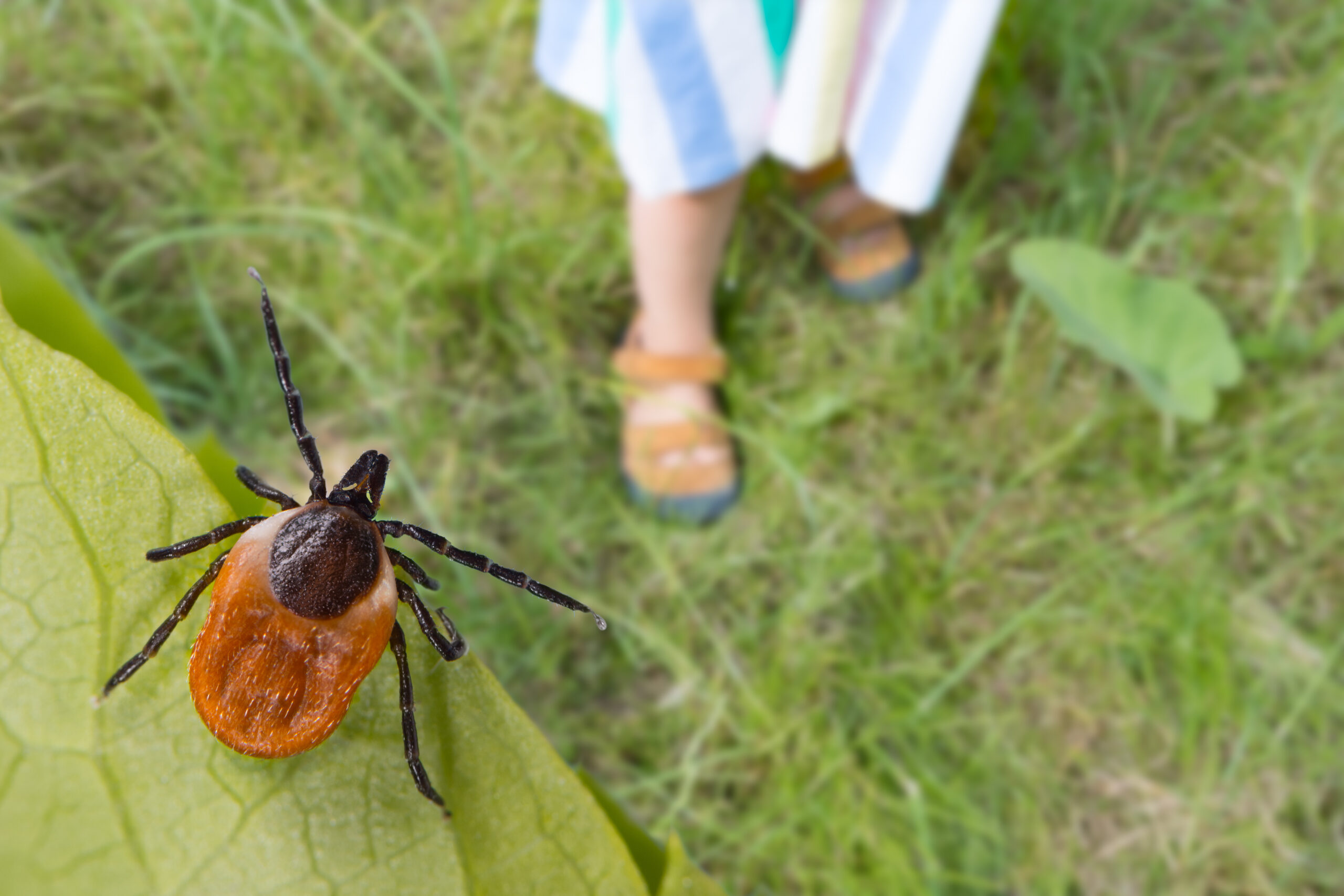
Dangerous deer tick and small child legs in summer shoes on grass. Ixodes ricinus. Parasite hidden on green leaf and little girl foots in sandals on lawn in nature park. Tick-borne disease prevention.
Parasite hidden on green leaf and little girl foots in sandals on lawn in nature park. Tick-borne disease prevention
Why Fleas and Ticks Love Lawns
What people call grass fleas
When people say grass fleas, they are usually talking about cat fleas or dog fleas living in turf, mulch, or leaf litter. Adult fleas hop onto pets and people to feed. Most of the population is actually immature stages hiding in shady, moist areas near the soil. Eggs, larvae, and pupae can make up more than 90 percent of an infestation. That is why treatments must target more than just the visible adults.
Tick behavior in your yard
Ticks do not jump or fly. They wait on blades of grass or low shrubs and grab on when you brush past. They prefer edges such as fence lines, wood piles, tall weeds, and the transition from lawn to woods. In the Midwest, American dog ticks, deer ticks, and lone star ticks may show up from spring through fall, with activity peaking when it is warm and humid.
How to Spot a Problem Early
Signs of fleas in the lawn
- Pets scratch often or have red, pepper-like flea dirt on their skin and bedding.
- You notice small hopping insects when walking through shady lawn areas.
- People in the household get small, itchy bites mostly around ankles or lower legs.
- Raccoons, opossums, or stray cats frequent your property, bringing fleas with them.
Clues that ticks are present
- You find ticks on pets after they roam through your yard.
- Family members discover ticks after yard work near edges, brush, or wood piles.
- Deer or small mammals trail through your lawn, especially at dusk or dawn.
Step-by-Step Plan: How to Get Rid of Grass Fleas Fast
If you are searching for how to get rid of grass fleas quickly, focus on a complete program that treats the lawn, protects pets, and addresses the home interior. Here is a proven, practical plan.
- Protect your family and pets first. Talk to your veterinarian about year-round flea and tick prevention for pets. Use vet-approved products exactly as directed. Keep pets out of treated areas until sprays are dry. When working in the yard, wear long sleeves, light-colored clothing, and use EPA-registered repellents on skin and clothing as directed.
- Target the right areas. Fleas and ticks gather in shade, thatch, leaf litter, low shrubs, deck undersides, and around pet hangouts. Focus your effort on these zones rather than the entire lawn. This saves time and reduces chemical use.
- Improve mowing and watering. Keep grass around 3 to 3.5 inches tall. Mow often enough that you never remove more than one-third of the blade at once. Avoid overwatering. Fleas thrive in persistently damp thatch. Water deeply but less often, then let the top inch of soil dry between sessions.
- Declutter and deny cover. Rake leaves, remove thatch build-up, and dispose of yard waste. Trim low branches so sunlight reaches the turf. Store firewood off the ground and away from living areas. Repair loose lattice or gaps under decks that create shaded hiding spots.
- Use a comprehensive treatment approach outdoors. For fast knockdown, many homeowners choose a lawn insecticide labeled for fleas and ticks. Always follow the label and local regulations, and avoid runoff into storm drains. For longer-term control, pair the adulticide with an insect growth regulator such as methoprene or pyriproxyfen to stop eggs and larvae from maturing. Apply to shady turf, mulch beds, and the strip of lawn along fence lines and woods. Reapply as the label directs. If you prefer a natural option, see the section below on family-safe solutions.
- Treat the indoor environment if fleas are present. Vacuum floors, rugs, and upholstery daily for a week, then twice weekly for several weeks. Seal and discard vacuum bags or empty canisters outside. Wash pet bedding in hot water weekly. Consider an indoor treatment with an IGR-based product if the problem persists, or call a licensed professional for a thorough program.
- Break the life cycle with timing. Flea eggs hatch in days, and pupae can sit dormant for weeks. That is why a single treatment rarely finishes the job. Plan for follow-up applications 2 to 4 weeks after the first, based on product directions and pest pressure.
- Address wildlife attractants. Secure trash cans, feed pets indoors, and place bird feeders away from patios and play areas. Tall grass or brush along property edges should be trimmed. Consider a simple buffer strip of gravel or wood chips between lawn and wooded areas to make tick movement harder.
- Evaluate lawn health. Thin, stressed turf harbors more pests. Overseeding, aeration, and proper fertilization help the lawn fill in, reduce thatch, and create less favorable conditions for fleas and ticks. Poul’s Landscaping & Nursery can design a health-first plan for your grass.
Natural and Family-Safe Options That Help
Many families want to know how to get rid of grass fleas with the least risk to kids, pets, and pollinators. While no single natural method is a magic fix, a smart combination can make a big difference.
- Beneficial nematodes. Species like Steinernema carpocapsae and Heterorhabditis bacteriophora hunt flea larvae in the soil. Apply in the evening to moist soil, keep the area watered lightly for several days, and follow the product’s coverage guide. Nematodes are living organisms and need fresh, properly stored product to work.
- Diatomaceous earth for targeted areas. Food-grade diatomaceous earth can help in cracks, under decks, and along pet pathways. Use lightly and avoid windy conditions. Do not apply to flowers where pollinators visit.
- Yard sanitation and sun exposure. Simple cultural steps often outperform sprays. Open up dense shrubs, trim groundcovers, and let more sunlight reach damp soil where larvae hide.
- Plant choices and layout. While no plant repels pests 100 percent of the time, designing sunny, open sightlines with well-placed hardscape reduces the cool, shaded microhabitats fleas and ticks need. Poul’s Landscaping & Nursery can rework beds and borders to minimize pest-friendly pockets.
Tick Control That Works in Chicagoland
Ticks are a serious concern for families in northern Illinois. Effective control blends habitat management with targeted barrier treatments.
- Create a clean perimeter. Keep the first 3 to 5 feet around lawn edges trimmed and free of leaf litter. A strip of gravel or wood chips can slow tick movement from woods to lawn.
- Focus on high-risk zones. Treat fence lines, tall grass clumps, and the border where lawn meets shrubs. Pay attention to shady play areas and dog runs.
- Time it right. Spring and early summer treatments can reduce nymphs. Late summer and early fall help with adults. Follow product labels or talk to a pro for a schedule tailored to your yard.
- Protect pets year-round. Consistent veterinary preventives are essential since ticks are active whenever temperatures are above freezing.
Common Mistakes to Avoid
- Only treating what you can see. Adult fleas are a fraction of the population. If you skip eggs, larvae, and pupae, the problem returns.
- Overwatering and overfertilizing. Lush but soggy turf creates humid pockets fleas love. Stick to a balanced lawn care plan.
- Neglecting follow-up treatments. One application rarely solves a heavy infestation. Put dates on your calendar.
- Ignoring pet and indoor treatments. Yard work alone will not stop reinfestation if pets or indoor areas remain untreated.
- Spraying entire lawns unnecessarily. Spot-treating high-risk areas is often just as effective and gentler on beneficial insects.
Seasonal Prevention Calendar
Early spring
- Clean up leaves and winter debris.
- Schedule core aeration and overseeding if turf is thin.
- Start or renew pet preventives.
Late spring to midsummer
- Maintain mowing height around 3 to 3.5 inches.
- Monitor shady zones for flea activity. Use growth regulators or nematodes as needed.
- Consider a targeted tick barrier treatment along edges.
Late summer to early fall
- Continue edge management and spot treatments where activity is noted.
- Rake and remove leaf litter before it builds up.
- Plan lawn renovations such as overseeding to thicken turf.
Late fall
- Final leaf cleanup and edging.
- Store firewood off the ground and away from the home.
- Review your year’s results and set up next spring’s plan with Poul’s Landscaping & Nursery.
How Poul’s Landscaping & Nursery Can Help
Poul’s Landscaping & Nursery has served Chicagoland families since 1966. Our story began when Paul, known by the Danish spelling Poul, started the company with a pick-up truck, a trailer, and a vision. From humble beginnings in Prospect Heights to our nursery fields in Long Grove and Wadsworth, we have grown with one goal in mind. We help homeowners enjoy healthier, more beautiful, and safer outdoor spaces.
When you ask how to get rid of grass fleas or how to keep ticks out of the yard, our team brings practical solutions tailored to your property. We combine landscape expertise with an integrated approach.
- On-site assessment. We identify pest hot spots, shade patterns, moisture issues, and habitat features that fuel infestations.
- Lawn health improvements. Aeration, overseeding, soil amendments, and balanced fertilization make your turf less inviting to fleas and ticks.
- Design updates. We adjust plant spacing, edge treatments, and bed layout to boost sunlight and airflow, reducing pest harborage.
- Targeted pest programs. We recommend strategic, labeled treatments and family-safe options based on your goals and timing.
- Ongoing care. From mowing guidance to seasonal cleanups, we help you maintain results all year.
Beyond pest-focused care, Poul’s Landscaping & Nursery offers a full range of services to enrich your outdoor life, from seasonal color displays to holiday lighting that makes your home shine. Our friendly, trustworthy, and professional team is ready to help you make the most of every season.
FAQs About Grass Fleas and Ticks
Are grass fleas different from pet fleas?
No. The same flea species that infest pets can develop in shaded lawn areas, mulch beds, and groundcovers. The term grass fleas is a nickname for fleas in the yard.
How fast will treatments work?
Adult fleas may drop quickly after a labeled spray, sometimes within hours. Because eggs and pupae keep emerging, expect 2 to 4 weeks of follow-ups for full results. Ticks may decline after the first barrier treatment, with better control after a series scheduled across the warm months.
Will mowing shorter stop fleas and ticks?
Excessively short mowing stresses turf and can make problems worse. Aim for 3 to 3.5 inches. Pair proper mowing with shade reduction and debris cleanup for the best results.
Do fleas and ticks survive winter?
Yes. Some overwinter as eggs or pupae in protected spots. Mild days bring ticks out even in the cold months. Prevention is most effective when it continues across seasons.
Are natural products enough?
They can help, especially when combined with sanitation and lawn health improvements. Beneficial nematodes, diatomaceous earth in targeted areas, and habitat changes often reduce pressure. Severe outbreaks may need a thoughtful, labeled treatment plan to finish the job.
Could my drainage or irrigation be part of the problem?
Yes. Constantly wet areas create humid microclimates where fleas thrive. Fixing drainage, adjusting irrigation schedules, and opening up dense plantings can make a big impact.
Do bird feeders or wildlife matter?
They can. Wildlife introduce and carry fleas and ticks. If you keep feeders, place them away from patios and play areas and keep the ground below them clean.
Your Path to a Pest-Resistant Lawn Starts Now
Winning the battle against fleas and ticks is not about one product. It is about a smart plan that balances lawn health, habitat cleanup, and well-timed, targeted treatments. If you are ready to stop guessing and start enjoying your yard again, Poul’s Landscaping & Nursery is here to help. From precise diagnosis to ongoing prevention, our team builds a program that fits your property and your family’s lifestyle.
Call or message Poul’s Landscaping & Nursery to schedule a consultation. We will walk your yard, show you exactly how to get rid of grass fleas, set up a clear timeline, and keep you protected from ticks. With the right steps and a trusted partner, you can take back your lawn and keep it that way all season long.
