
Beautiful Plants That Survive a Harsh Chicago Winter
Beautiful Plants That Survive a Harsh Chicago Winter

Illinois zone plants that thrive in harsh Chicago winters. Discover beautiful, hardy picks, planting tips, and year-round color. Read the guide and start planning.
Chicago winters are no joke, but that does not mean your yard has to look gray or bare for half the year. With the right illinois zone plants and a smart plan, you can enjoy color, structure, and life in every season. At Poul’s Landscaping & Nursery, we have spent decades growing and selecting plants that flourish in Chicagoland’s unique climate. Use this guide to choose resilient trees, shrubs, perennials, and more that can handle cold snaps, lake effect winds, and late spring frost.
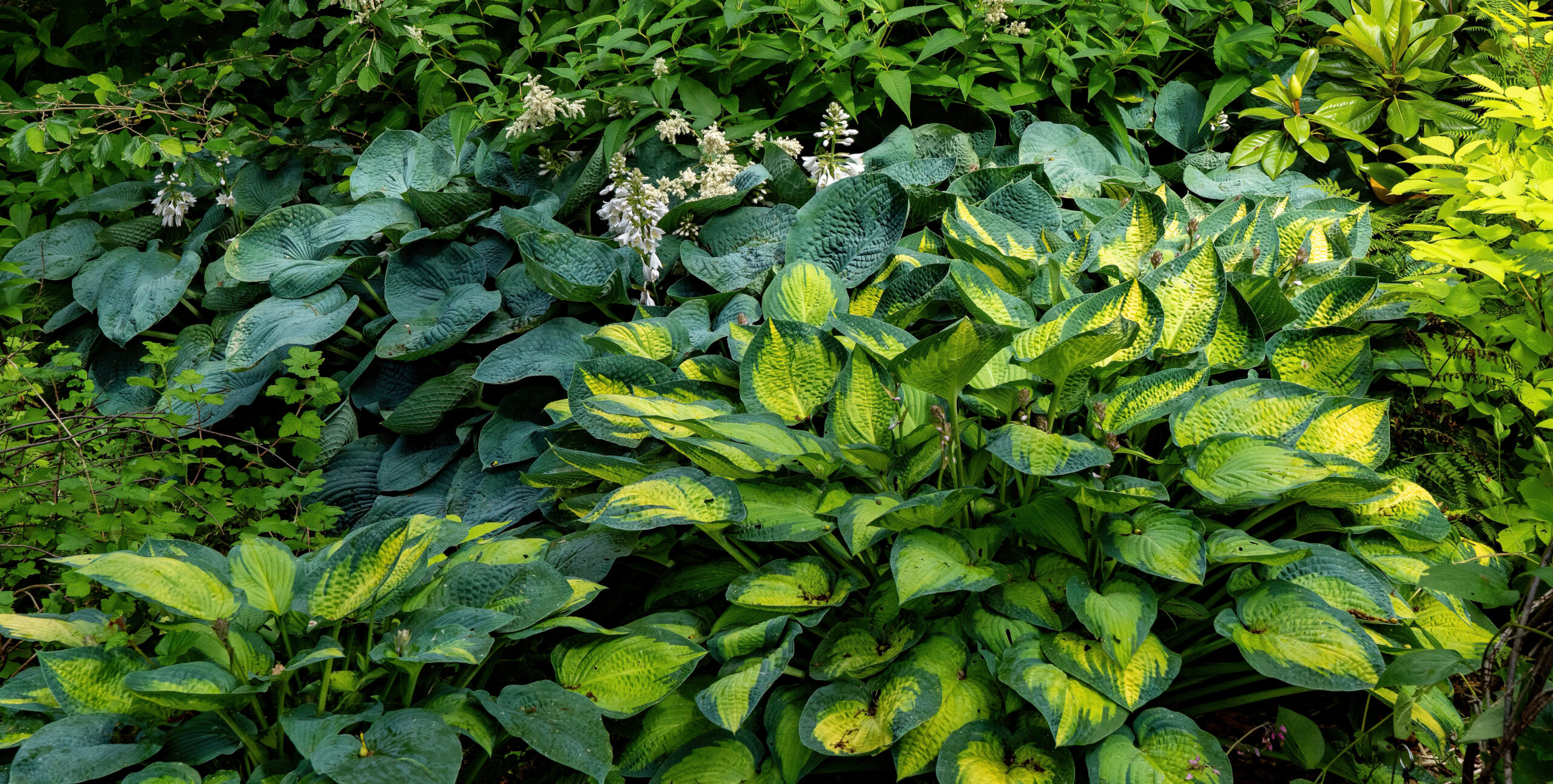
several varieties of hasta plants in a botanical garden in Vancouver, BC, british colkumbia, canada,
several varieties of hasta plants in a botanical garden in Vancouver, BC, british colkumbia, canada,
Understanding illinois zone plants for Chicago gardens
USDA hardiness zones help you choose plants that can survive your local winter lows. Most of Chicago and the North Shore sit in Zone 6a, with nearby suburbs in Zone 5b. That means you should choose plants listed as hardy to at least Zone 5, and ideally plants grown locally so they are already adapted to our weather. The best illinois zone plants are the ones that match your site: sun, shade, soil type, wind exposure, and drainage.
- Zone 5b average minimum temperature is -15 to -10 degrees Fahrenheit. Zone 6a is -10 to -5.
- Urban areas can be slightly warmer due to buildings and pavement. Open lots and corners can be windier and colder.
- Lake Michigan moderates temperatures but can also bring harsh winds. Choose wind-tolerant plants for lakefront sites.
- Check for wet spots after rain or snowmelt. Many cold-hardy plants dislike standing water in winter.
Top cold-hardy trees for beauty and structure
Reliable native and adapted trees
Trees anchor a Chicago landscape and provide shade, privacy, and habitat. These selections are tried and true illinois zone plants that handle freeze-thaw cycles and spring storms.
- Bur Oak: A classic native with bold limbs and strong bark. Extremely hardy and long lived.
- Swamp White Oak: Tolerates heavy clay and wet feet, then turns golden in fall.
- Serviceberry: Four-season interest with white spring flowers, edible summer berries, and orange fall color.
- River Birch: Shows peeling salmon and cinnamon bark that glows in winter light. Thrives in moist soils.
- Kentucky Coffeetree: Open branching for winter character and light shade in summer. Very tough in urban settings.
- Hackberry: Handles wind, drought, and city conditions. A dependable street tree choice.
- Ginkgo (male cultivars): Fan-shaped leaves with brilliant gold fall color. Choose male to avoid fruit mess.
- Paperbark Maple: Smaller scale tree with rich peeling bark and red to orange fall tones.
- Sugar Maple: Classic Midwest favorite for strong fall color where space allows.
- Eastern Redbud: Hardy in protected sites with pink spring blooms that lift any front yard.
Evergreens that stand up to wind and snow
Evergreens are the backbone of winter beauty. They add structure, privacy, and color when everything else goes dormant. The following illinois zone plants offer reliable performance around Chicago.
- Techny Arborvitae: A local favorite selected near Chicago for cold hardiness and dense privacy screens.
- Norway Spruce: Fast-growing, elegant, and very wind resistant. Good for large properties and windbreaks.
- Serbian Spruce: Graceful bicolor needles and a narrow form that fits suburban lots.
- Black Hills Spruce: Compact, sturdy, and deep green. An excellent anchor near foundations.
- Eastern White Pine: Soft needles and fast growth. Best in sheltered spots away from heavy salt spray.
- Boxwood ‘Green Velvet’: Hardy, rounded form for neat borders and winter formality.
- Yew (Taxus x media): Durable evergreen for shade and sun with classic hedge looks.
- Upright Junipers: Strong vertical accents that handle wind, drought, and poor soils.
Flowering shrubs with year-round interest
Cold-hardy shrubs deliver seasonal color, wildlife value, and essential structure. Many also offer winter bark, fruit, or form that shines in snow.
- Redtwig Dogwood: Vivid red stems show off against snow. White spring flowers and summer berries for birds.
- Ninebark: Exfoliating bark, spring flowers, and colorful foliage options that stand up to cold.
- Winterberry Holly: Bright red berries cling through winter. Plant a male pollinator nearby for fruit set.
- Panicle Hydrangea: Reliable blooms on new wood. Choose ‘Limelight,’ ‘Bobo,’ or ‘Tardiva’ for sturdy flowers and winter seed heads.
- Chokeberry (Aronia): White spring blooms, glossy fruit for birds, and fire-red fall color.
- Arrowwood Viburnum: Strong hedging shrub with flowers, berries, and fall tones. Good for screening.
- Witch Hazel: Fragrant ribbon-like blooms in late winter when little else is awake.
- Spirea: Compact, long-blooming workhorse with low maintenance needs.
Perennials that return every spring in Chicago
Dependable performers for sun and shade
Perennials bring flowers, fragrance, and pollinators. These illinois zone plants come back after winter and handle spring temperature swings.
- Coneflower: Summer color magnets for bees and butterflies. Leave seed heads for birds in winter.
- Black-Eyed Susan: Bright golden daisies that thrive even in tough soils.
- Hellebores: Early bloomers in late winter to early spring. Evergreen foliage in sheltered spots.
- Catmint: Long bloom season, drought tolerant, and loved by pollinators.
- Daylily: Easy, colorful clumps that spread steadily and tolerate salt overspray.
- Garden Phlox: Choose disease-resistant varieties for strong summer bloom and fragrance.
- Sedum ‘Autumn Joy’: Thick succulent leaves and late-season blooms that dry beautifully for winter.
- Astilbe: Plumelike flowers that add texture in part shade and love consistent moisture.
- Heuchera: Foliage color from caramel to purple. Great in containers and beds with winter interest in mild spots.
Cold-hardy groundcovers
Groundcovers help control weeds, protect soil, and add texture under trees, along walks, and on slopes.
- Pennsylvania Sedge: A soft native for dappled shade that creates a meadow look.
- Wild Ginger: Heart-shaped leaves and glossy green cover for shade gardens.
- Creeping Phlox: Spring carpets of pink, purple, or white that spill over walls and edges.
- Foamflower: Pretty spring blooms and attractive foliage for woodland beds.
- Barren Strawberry: Tough, semi-evergreen mat with cheerful yellow flowers.
- Ajuga: Colorful leaves and spring spikes that fill gaps between stepping stones.
- Vinca Minor: Glossy evergreen leaves for slopes and tough shady areas.
Ornamental grasses that shine in winter
Grasses add movement, sound, and form. Leave them standing through winter for golden texture, then cut back in late March.
- Feather Reed Grass ‘Karl Foerster’: Upright plumes that look striking after a snowfall.
- Switchgrass: Native clumps with airy fall panicles and strong vertical lines.
- Little Bluestem: Blue summer foliage that turns coppery orange in fall and winter.
- Prairie Dropseed: Fine texture and fragrant blooms that glow in low winter sun.
Vines that handle the cold
Use vines to soften fences, arbors, and walls. Choose species that cling gently or be sure to support them well.
- Climbing Hydrangea: Clings to rough surfaces and blooms in shade with lacey white flowers.
- Clematis (Group 3): Vigorous bloomers that are easy to prune each spring. ‘Jackmanii’ is a classic.
- Virginia Creeper: Fast native with red fall color. Best on non-masonry surfaces where it can spread.
- Honeysuckle ‘Dropmore Scarlet’: Cold-hardy vine with tubular flowers that attract hummingbirds.
Designing year-round color with illinois zone plants
A Chicago landscape can look lively in every month when you plan for layers. Combine evergreens for structure, woody plants with bark or berries, perennials with long bloom times, and grasses for winter silhouettes. Stagger bloom seasons and mix textures so your yard looks interesting even when temperatures drop.
- Start with structure: Use spruce, arborvitae, or boxwood for evergreen bones.
- Add multi-season shrubs: Redtwig dogwood, witch hazel, and winterberry extend color beyond summer.
- Use four-season trees: Serviceberry and river birch shine in multiple seasons.
- Mix perennials and grasses: Catmint, sedum, and feather reed grass carry the show into fall and winter.
- Finish with groundcovers: Tie beds together with vinca, foamflower, or Pennsylvania sedge.
Planting and care tips for a tough Chicago winter
Good planting and basic care help illinois zone plants thrive long term. A few smart steps make a big difference once the wind and snow arrive.
- Plant at the right time: Early fall and early spring are best. Avoid late fall after the ground cools.
- Dig wide, not deep: Loosen a hole two to three times wider than the root ball. Keep the root flare at or slightly above grade.
- Amend based on soil test: Many Chicagoland soils are heavy clay. Add compost to improve texture and drainage where needed.
- Water deeply: Keep new plants watered until the ground freezes. Winter drought is real, especially for evergreens.
- Mulch smart: Use 2 to 3 inches of shredded mulch. Keep it a few inches off trunks and stems.
- Protect from wind: In exposed sites, use burlap screens for broadleaf evergreens like boxwood and holly.
- Prevent salt damage: Avoid piling salty snow on beds. Rinse soil in spring or add gypsum if salt burn is suspected.
- Prune at the right time: Panicle hydrangeas bloom on new wood, so prune in late winter. Spring bloomers like serviceberry should be pruned right after flowering.
- Leave perennials standing: Many perennials and grasses look great in snow and help pollinators overwinter.
- Choose local stock: Plants grown by local nurseries often establish faster and handle winters better.
Common mistakes to avoid
- Picking plants outside your hardiness range or choosing tender varieties that struggle in Zone 5b to 6a.
- Ignoring wind and salt exposure on corners and driveways.
- Over-mulching tree trunks or planting too deep, which leads to decline.
- Pruning at the wrong time and cutting off next season’s flowers.
- Forgetting to water new evergreens in late fall before the ground freezes.
- Skipping soil preparation and drainage fixes in heavy clay areas.
Why Poul’s Landscaping & Nursery is your local partner
Poul’s Landscaping & Nursery has been helping Chicago-area homeowners since 1966. Our story began when Paul, known as Poul in Denmark, emigrated in 1959 and started a small landscape company with one employee, a pickup truck, and a trailer. In the early days, Poul’s operated from the basement of the family home in Prospect Heights, with Margit running the office while raising their three children, Dan, Annette, and Alan. In 1983, the family invested in 45 acres in Long Grove, complete with a barn and farmhouse, with the goal of building a nursery and office on site. Dan joined the business in 1986 after graduating from Northern Illinois University, the first trees were planted that same year, and the landscape services office opened at the farm in 1992. Alan came on board in 1993 with a Horticulture degree from The Ohio State University and soon took over nursery operations. Poul’s Landscaping & Nursery continued to grow, acquiring 112 acres in Wadsworth in 1999, where we still operate wholesale nursery fields today. This deep local experience means we know illinois zone plants inside and out, from how they are grown to how they perform through our coldest winters.
We offer full-service design, planting, and maintenance with a trusted, professional team. Whether you want to boost your lawn’s health, add seasonal color, install holiday lighting, or redesign your entire yard, Poul’s Landscaping & Nursery is ready to help. Our designers match plant choices to your exact microclimate, sun patterns, soil, and style so your landscape looks great in January and July.
Sample planting plans for Chicago yards
Sunny front entry that pops in winter
- Backbone: Two or three Black Hills spruce for structure and privacy.
- Accent tree: Multi-stem serviceberry near the walk for spring flowers and fall color.
- Shrubs: A cluster of redtwig dogwood for winter stems and a line of ‘Green Velvet’ boxwood for neat edges.
- Perennials: Catmint and sedum for long-season color and pollinators.
- Grasses: Feather reed grass for vertical winter lines and movement.
Shady side yard with texture
- Vine: Climbing hydrangea on a sturdy fence or arbor.
- Shrubs: Witch hazel for late winter blooms and arrowwood viburnum for structure.
- Perennials: Heuchera, astilbe, and hellebores for foliage and early flowers.
- Groundcover: Wild ginger and Pennsylvania sedge to knit the bed together.
Small city courtyard or balcony
- Containers: Dwarf conifers or boxwood for evergreen bones.
- Shoulder-season color: Hellebores and early bulbs for late winter to spring interest.
- Summer texture: Compact switchgrass or little bluestem in large frost-resistant pots.
- Tip: Elevate pots on feet for drainage and water on thaw days in winter dry spells.
Native illinois zone plants for pollinators and birds
Native species are adapted to local weather and support wildlife. Adding even a few will increase resilience and biodiversity in your yard.
- Trees: Bur oak, serviceberry, and hackberry.
- Shrubs: Aronia, redtwig dogwood, and arrowwood viburnum.
- Perennials: Coneflower, little bluestem, prairie dropseed, and bee balm.
- Benefits: Nectar and pollen for insects, berries for birds, and better stormwater management.
Your next step with Poul’s Landscaping & Nursery
Strong plant choices plus careful installation make winter a design feature rather than a dead season. The right illinois zone plants will carry color, movement, and structure from the first snowfall to the first spring bloom. If you are ready to build a landscape that shines through every freeze and thaw, our team is here to help. Poul’s Landscaping & Nursery can design and install a plan tailored to your site, then keep it thriving with maintenance, seasonal color, lawn care, and even holiday lighting. Contact Poul’s Landscaping & Nursery to schedule a consultation and start planning a Chicago landscape you will love in every season.
