
Why Leaves Keep Killing My Grass Every Fall
Why Leaves Keep Killing My Grass Every Fall

Leaves killing grass is a real problem, but you can stop it
Leaves killing grass? Learn why fall leaf buildup smothers lawns and how to prevent damage with smart cleanup tips. Read now to save your yard this season.
Every fall, you look out the window and see a blanket of color on the lawn. It seems harmless. A week later you notice yellowing patches, thin blades, and soggy spots that do not bounce back. If this sounds familiar, you are not imagining it. When leaf piles sit on turf for days, they can smother and weaken the grass. The good news is that a few simple habits can stop the cycle. In this guide, the lawn care team at Poul’s Landscaping & Nursery explains why it happens, what to watch for, and how to keep your yard healthy all season.
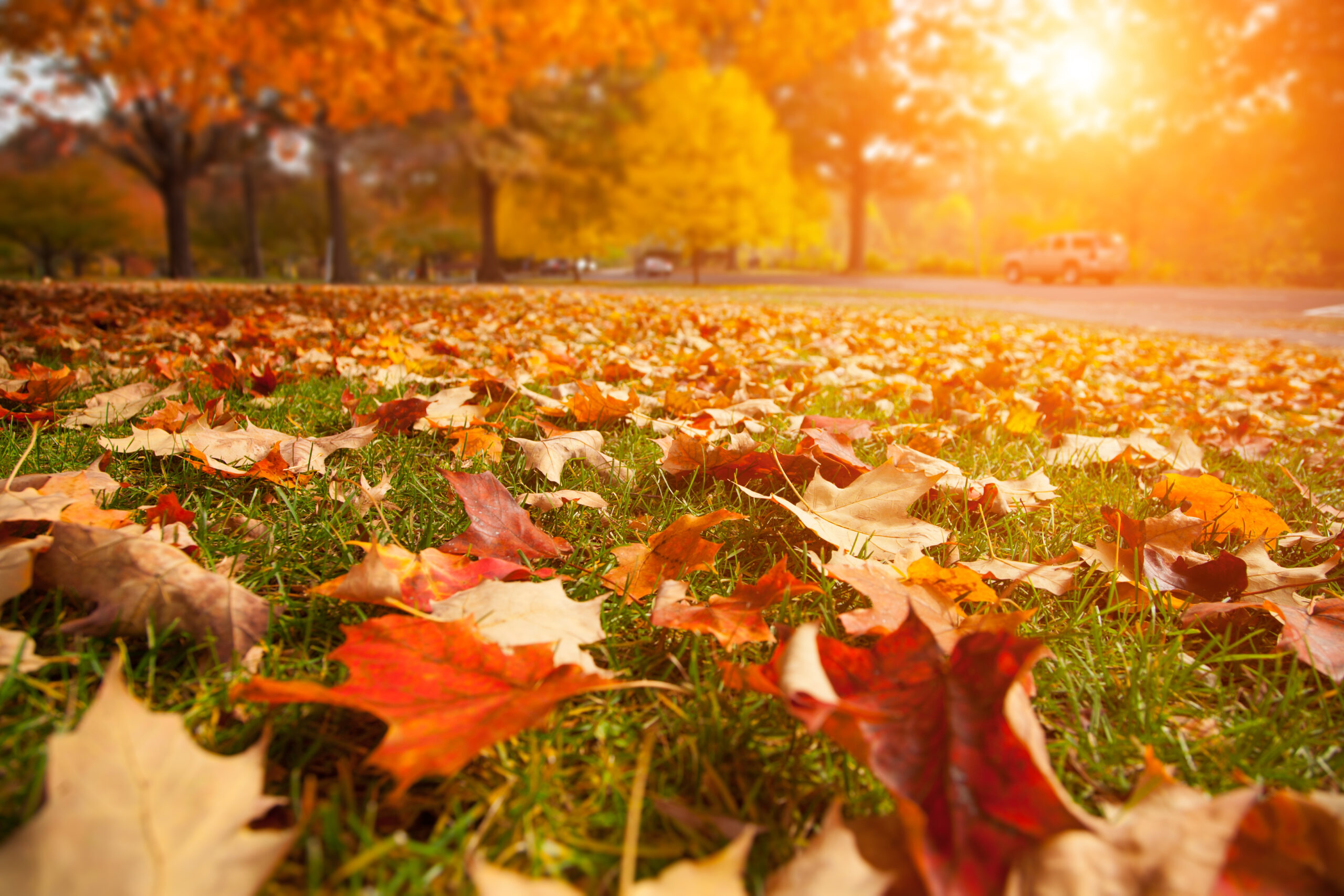
Autumn park
Yellow, orange and red autumn leaves in beautiful fall park.
Are leaves really killing grass, or is it a myth?
It depends on how many leaves, how long they stay, and the weather. A light sprinkle of dry leaves that you mulch into the lawn can enrich the soil. A thick, wet mat that stays for weeks will block light and air. That is when trouble begins. In our Chicagoland climate, cool-season grasses need sun in fall to build strong roots before winter. If leaves cover the turf, the grass misses its prime recovery window. When snow falls on top of a leaf mat, conditions get even worse. That is why people often see the worst damage in late winter and early spring.
How leaf buildup damages your lawn
It blocks sunlight and oxygen
Grass needs sunlight for photosynthesis. A heavy leaf layer lowers light levels to near zero at the soil surface. Grass blades stop producing energy, and growth slows. At the same time, the compacted layer limits airflow. Roots need oxygen to stay alive. Without it, the turf thins and weakens, which makes it more likely to die when winter stress arrives.
It traps moisture and invites disease
Wet leaves hold water against the soil. The constant dampness creates a perfect setting for fungus. Snow mold is a common issue across northern Illinois. It often shows up in spring as matted, gray or pink circles where leaves sat under snow. Other diseases can also flare in fall when the lawn stays humid for days. Once disease spreads, recovery can take months.
It encourages pests and critter damage
Thick leaf cover gives shelter to pests and small animals. Voles, for instance, make runways under snow and leaf layers. By spring, you might see trails of dead grass across the yard. Insects can also overwinter more easily in a messy lawn. While not every pest problem starts with leaves, leaf mats make conditions better for them.
It leads to soil compaction and weak roots
People tend to walk across the lawn even when leaves are wet. Each step presses the leaf mat into the soil and drives out air. Compaction makes it hard for roots to expand and absorb water and nutrients. Grass that goes into winter with shallow, stressed roots is more likely to suffer winterkill.
It gives weeds a head start
Thin turf leaves open spaces for weeds. Winter annuals like chickweed and henbit germinate in fall and thrive where grass is weak. In spring, you will see more weeds in the same places you had heavy leaf piles. Dense, healthy turf is the best weed control, and that starts with keeping leaves from smothering the lawn.
Clear signs leaves are hurting your grass
- Yellow or straw-colored patches where leaves sat the longest
- Thin or bare areas, especially in shade or low spots
- A spongy, matted layer at the soil surface that feels slimy when wet
- Fungus circles or spots after snow melts
- Vole runways pressed into the turf
- Puddles that linger because the leaf layer sealed the soil
- A musty smell when you rake up the leaf mat
Mulching vs raking: when each makes sense
Mulching can be great. It returns organic matter and a bit of nitrogen to the soil. The key is volume and timing. When done right, mulching saves time and boosts lawn health. When done wrong, it leaves clumps that smother the turf. Use these simple rules to decide.
- Mulch when leaves are dry or only slightly damp. Wet leaves clump and clog.
- Mulch if you can still see most of the grass after one pass. If leaves cover more than half the lawn, rake or collect first.
- Make two to three mower passes in different directions to shred leaves into tiny pieces about the size of a dime.
- If shredded leaves form visible layers or clumps, bag or rake them up.
- Oak and maple leaves mat quickly. Be extra careful to shred them very fine or remove them.
- Never mulch leaves over newly seeded areas. Protect seedlings and keep them clear.
A simple fall plan to stop leaves killing grass
- Set a weekly routine. Do a quick cleanup once a week at minimum during peak drop. In heavy fall weeks, aim for every three to four days.
- Watch the forecast. Clear leaves before rains and before the season’s first snow so they do not mat down.
- Start early. It is easier to mulch or rake a light layer than a thick, wet pile. Do not wait for every leaf to fall.
- Mulch light layers. Use a mulching mower with a sharp blade. Make multiple passes to shred leaves into fine pieces that filter down to the soil.
- Rake or bag heavy layers. If leaves cover more than half the lawn, collect them. A tarp makes hauling easy. Pile leaves for compost or curb pickup per your town’s rules.
- Protect the edges. Leaves collect along fences, curbs, and around shrubs. Clear these areas so grass does not suffer from hidden mats.
- Keep leaves off new seed. If you overseeded in early fall, gently rake daily to keep seedlings exposed to light. Use light, frequent cleanups to prevent damage.
- Finish the season with a lower cut. Keep mowing until growth stops. For the last mow, lower the deck to around 2 to 2.5 inches. Shorter grass is less likely to mat under snow.
- Apply a late fall fertilizer. A winterizer feeding helps roots store energy. Strong roots bounce back faster in spring even if some leaves sneak by.
- Aerate compacted areas. Core aeration in fall relieves compaction and improves oxygen flow to roots. It also helps shredded leaves and nutrients reach the soil.
- Use leaves wisely. Compost them, shred them for garden beds, or create leaf mold. Avoid sending them to the landfill if you can.
- Do a final sweep. Right before steady cold arrives, do a thorough cleanup. Focus on low spots, shaded corners, and anywhere snow tends to drift.
What to do with all those leaves
Leaves are a resource. When managed well, they improve soil structure and feed plants. Here are smart ways to put them to work without letting them hurt the lawn.
- Compost them. Mix shredded leaves with grass clippings or kitchen scraps for a balanced pile. Turn it a few times for faster breakdown.
- Make leaf mold. Pile leaves in a bin or corner and let them break down over winter. Use the dark crumbly material as a moisture-holding mulch next year.
- Mulch garden beds. Spread a 2 to 3 inch layer of shredded leaves around perennials and shrubs to protect roots. Keep mulch a few inches away from trunks and stems.
- Insulate vegetable beds. After cleanup, add shredded leaves to protect bare soil. Remove or till in the layer in spring.
- Use municipal pickup or a yard waste service. Bag or pile leaves as required by your town. Keep piles off the lawn while you wait for pickup.
- Avoid piling leaves against the house or on the grass for long periods. If you need to stage them, use a driveway or tarp.
Special situations that need extra care
Newly seeded lawns
New grass needs light and air every day. Do not mulch mow over seedlings. Use a light, daily rake with a soft fan rake to gently lift leaves without pulling new grass. If leaf drop is heavy, consider temporary netting to keep leaves from landing until the lawn is stronger.
Shady lawns under big trees
Shade slows drying and increases disease risk. Do more frequent cleanups in these spots. It also helps to thin tree canopies over time or adjust mowing height slightly higher in deep shade so grass has more blade surface to catch light.
Pine needles and oak leaves
Pine needles and oak leaves break down slowly and can form mats. Shred them well before using as mulch. In moderate amounts, they will not drastically change soil pH. If you are worried, a simple soil test will tell you what you need to know. Poul’s Landscaping & Nursery can help with testing and amendments if needed.
After a storm or sudden late leaf drop
When a windy weekend dumps a season’s worth of leaves at once, move fast. Start with the thickest drifts. Use a mower with a bag or a leaf blower to stage piles on a tarp. Prioritize areas that stay wet and zones that get the most snow cover first.
Tools that make leaf cleanup faster
- Mulching mower with a sharp blade and a high-lift blade if possible
- Lightweight fan rake for gentle cleanup and a stiff rake for heavy piles
- Battery or gas blower to move leaves off the lawn quickly
- Large tarp for hauling piles without dragging them across grass
- Compost bin or wire corral for holding leaves
- Lawn sweeper or mower bagger if you prefer collection over mulching
- Protective gear like gloves, eye protection, and hearing protection
How Poul’s Landscaping & Nursery can help your lawn this fall
If you are tired of leaves killing grass year after year, a professional plan can make the difference. Poul’s Landscaping & Nursery has been caring for local lawns since 1966. The business began with Paul Kjeldbjerg after he moved from Denmark and built a small operation that grew with family effort and a passion for plants. Today, Poul’s operates from Long Grove with nursery fields in Wadsworth, and the team brings that deep horticulture knowledge to every yard.
Our fall lawn services include full leaf removal, routine weekly cleanup, mulch mowing programs, and end-of-season sweeps before the first snow. We also offer core aeration, overseeding, soil testing, and late fall fertilization to strengthen roots. If leaf buildup has already caused disease, we can assess damage and create a recovery plan for spring. Beyond lawn care, Poul’s Landscaping & Nursery can refresh your landscape beds with seasonal color, set up protective mulch around trees and shrubs, and even handle holiday lighting so your property looks great heading into winter. We tailor each visit to your property’s tree canopy, turf type, and drainage. That means a plan that fits your lawn rather than a one-size-fits-all approach.
Whether you need a one-time cleanup after a storm or a full fall program, our crews work efficiently, respect your property, and clean up thoroughly. If you want fewer rakes and better results, contact Poul’s Landscaping & Nursery to schedule leaf management before heavy drop begins.
Frequently asked questions about leaves killing grass
Will a few leaves really hurt my lawn?
A light layer is not a problem if you mulch it into tiny pieces. It can actually feed the soil. The problem starts when leaves pile up and stay wet. That is when they block light and air and can harm the turf.
How often should I remove leaves?
During peak fall drop, plan on once a week at minimum. If you have big trees or wind that blows in extra leaves, you may need to go every few days. Quick, regular cleanups are easier than tackling a heavy mat.
Is mulching safe for kids and pets?
Yes, mulching leaves is safe. Shredded leaves break down quickly and do not pose a hazard. Just pick up sticks and debris before mowing. Always keep kids and pets away from the mower while you work.
What mowing height should I use before winter?
Keep your normal height in fall, usually around 3 inches for cool-season turf. For the final mow before winter, go a bit lower, about 2 to 2.5 inches. Shorter grass is less likely to mat under snow, which helps prevent disease.
Can leaves change my soil pH?
Not in a big way when managed properly. Shredded leaves used as mulch or compost have a mild effect at most. If you have concerns, get a simple soil test. Poul’s Landscaping & Nursery can test and adjust pH with lime or sulfur if needed.
Do I need dethatching if leaves matted down?
Not always. Start with a thorough cleanup and consider core aeration to relieve compaction. If a thick thatch layer remains in spring, light dethatching can help. A professional evaluation will tell you what level of care is needed.
Protect your lawn now and enjoy a greener spring
Fall does not have to end with leaves killing grass. A smart routine that blends mulching, timely raking, and a final deep cleanup will keep your turf healthy. Pair that with late fall fertilization and core aeration, and your lawn will head into winter strong. If you want expert help, lean on Poul’s Landscaping & Nursery. Our family-led team has decades of local experience and the right equipment to clear leaves quickly without harming your lawn. Reach out today for a fall cleanup plan that saves your yard this season and pays off with thicker, greener grass in spring.
