
North Shore Landscape Lighting: How to Stop Glare in Bedroom Windows
North Shore Landscape Lighting: How to Stop Glare in Bedroom Windows

Sleep Better With Smarter Outdoor Lighting
If outdoor lights are bouncing into your bedroom at night, you are not alone. Many homeowners across the North Shore deal with window glare from exterior fixtures. The good news is you can keep your property safe and beautiful without losing sleep. This guide shares North Shore landscape lighting tips to stop bedroom window glare and protect your rest. Learn which fixtures and angles work. Explore practical steps you can take today and what a professional team like Poul’s Landscaping & Nursery can do to help.
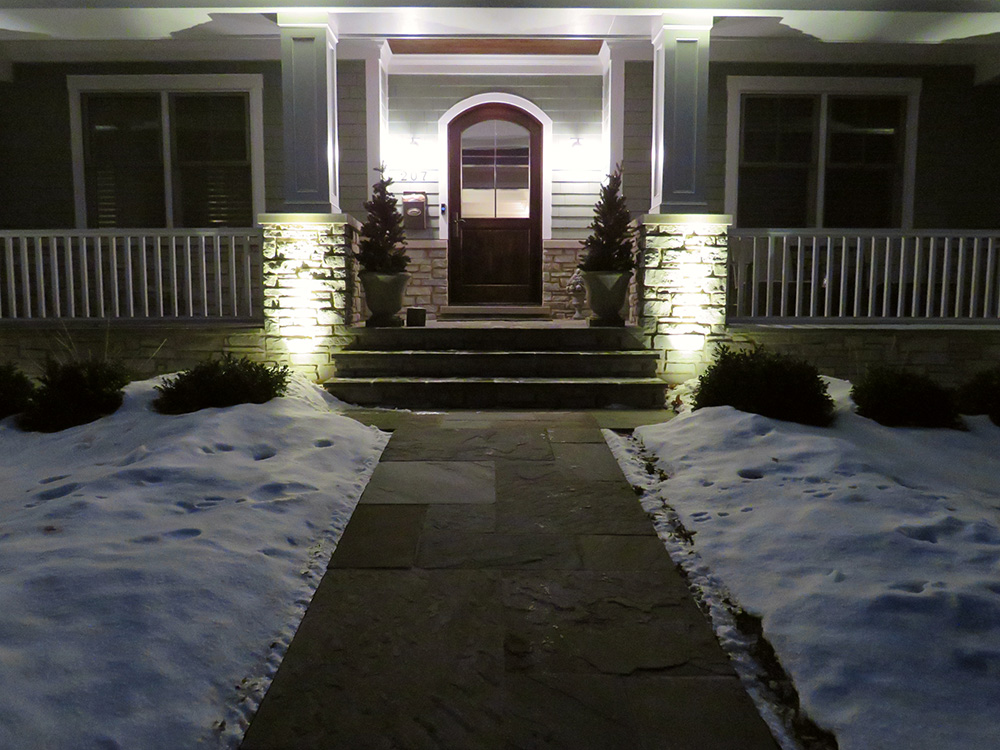
Landscape-Lighting15
What Is Glare and Why It Happens
Understanding Glare in Simple Terms
Glare happens when a bright light source hits your eyes and makes it hard to see detail. In homes, glare often shows up as a hot spot or bright streak on a window. Even a small uplight or path light can create glare if the beam or a reflection lines up with the glass. Glare can ruin night vision, make rooms feel harsh, and interrupt sleep. The goal is not to turn off your lights. The goal is to control aim, shield the source, and lower brightness to a level that is comfortable and functional.
North Shore Factors That Increase Glare Risk
The North Shore has a few unique conditions that can make glare more likely. Tight lot lines bring fixtures close to windows. Larger homes often have big windows at bedroom level. Lake Michigan can add moisture and fog that spreads light. Winter snow works like a mirror that reflects light upward. All of this means north shore landscape lighting needs careful design and control.
Common Causes of Bedroom Window Glare
Placement and Fixture Mistakes
- Uplights aimed straight at a facade or tree without a shield or glare guard
- Path lights with exposed bulbs that sit in direct line with a bedroom window
- Overly bright spotlights that bounce off siding, stone, or snow
- Fixtures tilted too high, sending beams across the yard and into windows
- Lights installed close to reflective surfaces like glass, metal, or water
- Cool, blue-heavy light that looks harsh and travels farther to the eye
- One zone for every fixture, so you cannot dim or switch off select lights at bedtime
Design Principles That Stop Glare
Aim and Angle Fundamentals
Great lighting is about aiming the light at what you want to see, and keeping the beam out of your eyes. In practice, that means choosing tight angles and using the structure of the landscape to block the light source.
- Keep uplights low and tight. Aim them at 20 to 30 degrees so the beam hits the target and stops.
- Cross light trees from two lower angles instead of blasting straight up the trunk.
- Use the building to block the beam. Aim lights so fascia, soffits, or trim stop the spill before it reaches windows.
- Highlight textures with grazing. Place fixtures close to stone or brick so the beam rakes the surface rather than shining outward.
- Step back at night and check the line of sight from bedroom windows. Adjust until no lamp source is visible.
Choose Fixtures That Hide the Light Source
The fixture you pick matters as much as the aim. Look for designs that shield the lamp, direct light down or across, and reduce sparkle.
- Shielded path lights with deep shrouds keep the lamp hidden and the beam low.
- Spotlights with glare guards or hex louvres cut brightness from off angles.
- Well lights and in-grade fixtures can disappear into the ground with glare covers.
- Hardscape lights tucked under caps or steps cast smooth light with no visible bulb.
- Louvered step and deck lights push illumination down and away from windows.
- Wide flood or wall wash fixtures give soft coverage at lower brightness.
Set the Right Brightness and Color
Glare is not just about where the light goes. It is also about how bright and how cool the light is. Small changes here can make a big difference.
- Use the lowest lumen package that does the job. Many path areas look great with 100 to 200 lumens. Focal trees may need 300 to 600 lumens depending on size.
- Pick warm color temperature. 2700K feels calm and is easy on the eyes. For a soft, candle-like mood choose 2200K amber.
- Limit cool 3000K and above near bedroom windows. Cool light looks brighter and travels farther.
- Use frosted lenses or diffusion where possible to soften edges.
Gain Control With Zones, Dimmers, and Timers
Control is the secret to glare-free nights. When you can adjust light levels and schedules, your home adapts to your sleep routine.
- Split the system into zones. Keep backyard trees and patio lights on a different zone from front entry and path lights.
- Add dimmers to landscape circuits or use smart fixtures that dim by app.
- Use an astronomic timer that follows sunset and sunrise. Schedule bedroom-facing zones to dim or turn off earlier.
- Try presence sensors for task lighting that does not stay on all night.
Best Practices by Area
Paths and Entries
Paths need safe light without the bulb shining up at your windows. Space shielded path lights farther apart and aim for overlapping pools that lead the eye down the walkway. Keep fixture tops below window height where possible. At entries, use wall lanterns with opaque sides or downlight-only fixtures. This keeps light on the threshold without shining across the yard.
Trees and Plant Beds
To avoid glare from tree lighting, aim beams across the canopy rather than straight up the trunk. Use two lower output fixtures instead of one bright one. If a window faces a lit tree, move fixtures to the far side so the tree itself blocks the beam. In beds, switch to wide wash fixtures with shields and keep beams below the sill line.
Facades and Architectural Details
Facade lighting is a top source of glare if it is too bright or aimed too high. Graze stone or brick from 6 to 12 inches away so the texture absorbs the light. For siding, use broader floods with less intensity and aim no higher than the second floor eave. If a window glows, lower the aim, widen the beam, or add a shield until the hot spot goes away.
Water Features and Pools
Water reflects light into windows. Choose underwater fixtures with louvers and aim them away from the home. For bubble or fountain features, keep edge lights shielded and low. Around pools, use indirect step and wall lights rather than tall posts. Always test from bedroom viewpoints before finalizing angles.
Decks and Steps
For decks, mount slim hardscape lights under the railing to push illumination down to the floor. For steps, use louvered step lights spaced evenly. Avoid surface fixtures that show a bare lamp when you look out the window.
Seasonal Considerations on the North Shore
Winter Snow and Ice
Snow can triple perceived brightness because it bounces light up toward windows. Plan for winter by choosing lower lumen levels and warm color temperature across the yard. Add glare guards to uplights near the home. After the first snowfall, do a nighttime check and reduce brightness or re-aim as needed. Keep fixtures clear of snow caps that change the beam.
Summer Foliage and Humidity
Summer leaves can shield beams and reduce glare, but humidity and fog spread light. Use warmer color temperature and wider beams for a softer look. LED fixtures run cool and attract fewer insects than old halogen. You can also choose amber sources that reduce bug attraction while protecting your view at night.
Be a Good Neighbor and Protect the Night Sky
Glare control helps you and your neighbors. Aim lights so they do not cross property lines. Keep lamps hidden from public view. Limit uplighting to focal features and shield it well. Warm, low brightness light reduces skyglow and keeps the stars visible. North Shore communities appreciate tasteful lighting that adds comfort without cluttering the night.
Quick Diagnostic Checklist
- Stand in each bedroom after dark and note any visible bulbs or bright reflections.
- Identify which fixtures create the glare by switching zones on and off.
- Lower brightness if possible and note the difference.
- Adjust aim so beams hit the target and stop, not the window.
- Add shields, louvers, or lensing where the source is visible.
- Swap cool lamps for warm 2700K or 2200K sources.
- Set schedules so bedroom-facing zones dim or turn off earlier.
- Recheck after weather changes, especially after snowfall.
Simple DIY Fixes You Can Try Now
- Rotate spotlights a few degrees down or to the side to remove the beam from the window.
- Lower the output by installing a lower lumen lamp in compatible fixtures.
- Add a clip-on glare guard or honeycomb louvre to reduce sparkle.
- Use warm white LED lamps instead of cool white.
- Install an astronomic timer and dimmer module for flexible control.
- Plant a low evergreen screen that blocks the line of sight without blocking airflow.
Why Work With a Professional
Some glare problems are quick fixes. Others need a full site plan. A professional designer looks at beam spreads, mounting heights, tree growth, seasonal reflectance, and control logic. On the North Shore, experience matters. Local codes, lake effect weather, and lot layouts all shape smart lighting decisions.
Poul’s Landscaping & Nursery: Local Expertise Since 1966
Poul’s Landscaping & Nursery has deep roots on the North Shore. The company began in 1966 when Paul Kjeldbjerg started with a single truck and a trailer. He named the company after the Danish spelling of his first name, a nod to his journey from Denmark to Illinois. What began in the family basement grew into a trusted landscape partner for homes across the area. In the 1980s and 1990s, Paul’s sons joined the company and helped expand both the landscape services office and nursery operations. Today Poul’s Landscaping & Nursery operates nursery fields in Wadsworth and continues to design, install, and maintain beautiful outdoor spaces. From lawn health to seasonal color and holiday lighting, the team brings a careful, client-first approach to every project. That same care applies to north shore landscape lighting where glare control and nighttime comfort are top priorities.
Our Process for Glare-Free Lighting
- Discovery and walkthrough: We listen to your goals and assess windows, sightlines, and sleep needs.
- Night review: We often test temporary fixtures at night to study glare from inside bedrooms.
- Design and specification: We choose shielded fixtures, warm color temperature, and right-size lumen outputs.
- Zoning and control plan: We divide your system into zones with dimmers and smart timers.
- Precision installation: We fine-tune aim and add glare guards and lensing where needed.
- Seasonal checkups: We revisit after snow or leaf-out to keep your lighting consistent year round.
Frequently Asked Questions
Will I lose curb appeal if I reduce glare?
No. Most homes look better with smoother, softer lighting. You will see richer texture and depth when hotspots are removed. Shielded fixtures and lower output often create a higher end look.
What color temperature should I pick near bedrooms?
Choose 2700K as a default. For extra softness, use 2200K amber near bedroom windows and gathering spaces. Keep 3000K for tasks that need a bit more punch away from windows.
Can smart controls really help with glare?
Yes. Zoning and dimming let you run entry and safety lights while dimming or turning off bedroom-facing zones at bedtime. Astronomic timers automate the schedule so you do not have to think about it.
What about security?
Glare reduction and security go hand in hand. Lower, even light helps cameras see better and reduces dark shadows. Motion-based task lights can provide temporary brightness without staying on overnight.
How does snow change my lighting plan?
Snow reflects light and makes everything look brighter. We plan lower lumen levels and add shielding near the home. After the first big snow, small aim tweaks can restore balance.
A Sample Glare Reduction Plan
Imagine a two story North Shore home with large second floor bedroom windows facing a lit maple tree and a bright path. Step one is to swap cool lamps for warm 2700K and reduce lumen output by about one third. Step two is to move tree uplights to the far side of the maple so the trunk blocks the beam from the windows. Add glare guards to both fixtures and aim the beams at 25 degrees across the canopy. Step three is to change the path lights to deep shielded heads and lower their height. Space them farther apart to create a rhythm of soft pools of light. Finally, split the zones so the tree and path can dim at 10 p.m. while the front entry stays on low for safety. With these changes, the homeowners keep a beautiful view of the landscape and enjoy darker, calmer bedrooms.
How north shore landscape lighting Can Work for You
Thoughtful design turns outdoor lighting into a comfort feature, not a sleep disruptor. On the North Shore, that means warm light, shielded fixtures, precise aiming, and smart controls. It also means a partner who understands the area and cares about the details. Poul’s Landscaping & Nursery designs and installs systems that look great from the street and feel great from the pillow.
Ready to Reduce Glare and Sleep Better
If you are ready to fix window glare or start a new design the right way, our team is here to help. Poul’s Landscaping & Nursery will walk your property, test at night, and create a plan that balances beauty, safety, and sleep. Reach out to schedule a consultation and see how north shore landscape lighting can make your nights calmer and your home more inviting.
