
Why New Plants Keep Dying After We Plant Them
Why New Plants Keep Dying After We Plant Them

Struggling with plants dying after planting? You are not alone
Plants dying after planting can be frustrating and costly. You bring home a beautiful shrub or perennial, tuck it into the soil, and within days the leaves droop or turn brown. The good news is that most early plant losses come from a short list of fixable issues. In this guide, you will learn the most common causes, how to fix them, and simple care steps that help new plants thrive. If you need professional help in the Chicagoland area, Poul’s Landscaping & Nursery is here with expert planting, soil improvement, and aftercare support.
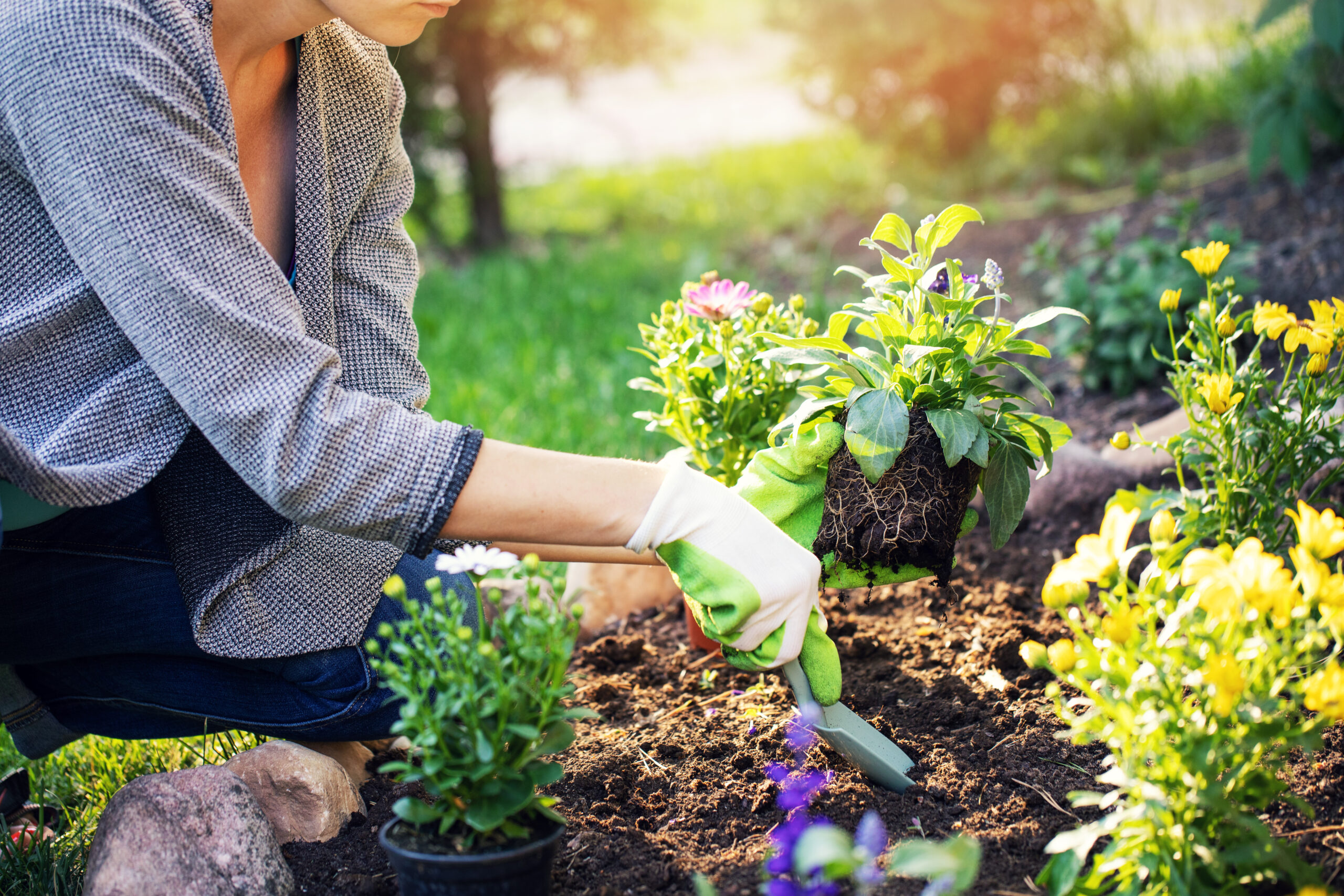
woman planting summer flowers in home garden bed
woman planting summer flowers in home garden bed
Top reasons for plants dying after planting
Transplant shock
Transplant shock is the number one reason for plants dying after planting. A plant moves from a controlled nursery environment to a yard with new soil, light, and watering patterns. Roots take time to extend into the native soil and cannot deliver enough water to the leaves at first. You might see wilted foliage, leaf drop, or slow growth. Most plants can recover if watering is consistent and the plant is shaded during the first week or two.
Planting too deep or too shallow
Proper planting depth is essential. If a plant sits too deep, the trunk or stem base stays wet and can rot. If it is too shallow, roots dry out and struggle to anchor. Look for the root flare, which is the point where the trunk widens at the base. That flare should sit level with the surrounding soil. When plants are set at the right depth, water moves naturally through the root zone and the stem stays healthy.
Overwatering and poor drainage
Water is good, but too much water blocks oxygen in the soil. Roots then suffocate and begin to rot. In Chicagoland, heavy clay soil often drains slowly, which makes overwatering even more harmful. If the soil stays wet for more than a day after watering, or if water pools in the planting hole, drainage is a problem. Healthy roots need water and air to thrive.
Underwatering
On the other side, underwatering causes leaves to curl, turn crispy, or drop. New plants have limited root systems, so they dry out faster than established ones. Wind, hot sun, and reflected heat from pavement increase demand for water. The first month after installation is the most critical period for consistent moisture.
Soil quality and compaction
Poor soil structure makes it hard for roots to spread. Compacted soil limits drainage and root growth. In many new or renovated landscapes, topsoil is thin or missing. Nutrients may be low or pH may be out of range for certain plants. In our region, amending clay soil with compost and loosening the planting area beyond the hole can make a big difference in survival and new growth.
Light mismatch
Each plant has a preferred light level. A full sun plant in shade will become leggy and weak. A shade plant in hot afternoon sun will scorch. If you notice plants dying after planting, check whether the site gets the right number of sunlight hours for that species. Six or more hours is generally full sun, four to six hours is part sun, and less than four hours is shade.
Temperature and weather stress
Sudden heat waves, late frosts, strong winds, or hail can set new plants back. Newly installed plants do not regulate water well until roots spread. Hot, dry winds pull moisture from leaves faster than roots can replace it. Simple windbreaks, shade cloth, or planting at the right time of year reduce stress and limit losses.
Fertilizer burn and salt stress
Adding too much fertilizer at planting can burn roots. Slow release products are safer, but even they can be overdone. Road salt and pet urine can also damage roots and leaf tissue. If you suspect salt or fertilizer burn, flush the soil with water to move salts below the root zone and hold off on feeding until the plant stabilizes.
Root bound or circling roots
Container plants often develop circling roots that keep growing in a tight pattern. If you plant them as they are, the roots may continue to circle and strangle the plant later. This can lead to poor growth or sudden decline. Gently loosen the root mass or slice through circling roots before planting so they can grow outward into the surrounding soil.
Pests and diseases
New plants under stress are more vulnerable to insects and diseases. Sap suckers like aphids and spider mites can worsen wilting during hot weather. Fungal root rots thrive in wet soil. Inspect leaves, stems, and the soil line weekly for early signs, and treat quickly. Healthy planting practices often prevent most pest and disease problems.
How to fix plants dying after planting
Do this first: a simple triage plan
- Check soil moisture. Dig down 2 to 3 inches near the root zone. The soil should be moist, not soupy and not bone dry.
- Adjust watering. If the soil is dry, water slowly and deeply. If it is wet, pause watering and improve drainage.
- Inspect planting depth. Find the root flare and ensure it is level with the ground. Replant if the plant is too deep or too shallow.
- Loosen the surface. Gently break up crusted soil so air and water can reach roots.
- Add temporary shade. Use a breathable fabric or place the plant where it gets morning sun and afternoon shade for one to two weeks.
- Mulch correctly. Apply two to three inches of mulch, keeping it a few inches away from the stem.
- Prune lightly. Remove only dead or broken stems. Do not cut back hard during the first month.
- Hold fertilizer. Wait until you see new growth before feeding, unless a soil test says otherwise.
Water the right way
For the first two weeks, water newly planted shrubs and perennials every two to three days, adjusting for rain, temperature, and wind. Trees may need five to ten gallons at a time, applied slowly. Use a hose set to a gentle flow or a drip bag for trees so water soaks the root ball and the surrounding soil. After two weeks, reduce to twice weekly for the next month, then weekly until plants are established. Always check the soil with your finger or a small trowel before watering. The goal is steady moisture, not constant saturation.
Improve drainage and soil structure
If you see water sitting in the planting hole, improve conditions immediately. Blend compost into the backfill and the area around the hole to create a wider zone of better soil. Create a slight berm on the outer edge of the planting ring to hold water for slow soaking, not right at the stem. In very heavy clay, consider raised beds or mounded plantings to lift roots above the wettest zone. Poul’s Landscaping & Nursery offers soil assessments and installation methods that manage drainage while keeping roots well supplied with air.
Correct planting depth and use mulch wisely
Replant if the stem base is buried. Set the root flare level with the soil surface and backfill with the native soil blended with organic matter as needed. Water to settle the soil, then add mulch two to three inches deep. Keep mulch a few inches from the trunk to prevent moisture buildup on the bark. Mulch stabilizes soil temperature, saves water, and reduces weed stress.
Handle roots before planting
Before you set a plant into the hole, loosen the root ball. Tease apart tight roots with your hands. For thick circling roots, make a few vertical cuts on the sides and bottom, about a half inch deep. This prompts new roots to grow outward into the surrounding soil. These small steps greatly reduce the risk of plants dying after planting.
Protect from sun and wind during the first weeks
Use temporary shade for afternoon sun on heat sensitive plants. Erect a simple windbreak with burlap or breathable fabric if your site has constant wind. Even moving a potted plant to morning sun can help until it is established. Gradually increase exposure as the plant recovers.
Smart fertilizing for new installs
Focus on soil health first. Compost and proper watering do more for establishment than a heavy dose of fertilizer. If you feed, use a gentle, balanced product at half strength, or rely on a slow release formula lightly mixed into the backfill. Test your soil if you suspect a pH issue. Poul’s Landscaping & Nursery can test and correct pH so your plants can access nutrients efficiently.
Prevent problems before you plant
Choose the right plant for your site
Right plant, right place is the best insurance against loss. Match mature size, light, water needs, and hardiness to your yard. For Chicagoland, choose varieties that handle heavy soil and winter swings. At Poul’s Landscaping & Nursery, our team recommends plants that match your specific site conditions so you avoid common pitfalls.
Buy healthy nursery stock
Inspect plants before purchase. Look for even color, no spots or webbing on leaves, and a strong but not pot bound root ball. Lift the plant from the container and check for roots that are white or light tan and firm. Avoid plants that are root bound or that smell sour. Healthy stock adapts faster, which lowers the risk of plants dying after planting.
Plant at the right time
In our region, spring and early fall are ideal. Spring gives plants the full growing season to establish. Early fall offers cool air and warm soil that stimulates root growth. Avoid planting during heat waves or when the ground is waterlogged. If you must plant in summer, increase shade and monitor moisture closely.
Create a simple care schedule
- First 14 days: Check moisture daily. Water every two to three days as needed. Provide afternoon shade if temperatures soar.
- Days 15 to 45: Water twice weekly, adjusting for rainfall. Watch for new growth and light feeding if needed.
- Days 46 to 90: Water weekly if rain is scarce. Begin light shaping or deadheading to encourage branch growth.
- Seasonal: Refresh mulch to maintain a two to three inch layer. Check stakes and ties on trees and remove them after the first season if not needed.
How to tell if a stressed plant will recover
Not all decline means the plant is doomed. Here are signs of recovery versus decline so you can decide whether to wait, treat, or replant.
- Recovery signs: New buds on stems, flexible stems that bend rather than snap, new roots visible at the edge of the planting hole, and steady leaf color with minor tip browning.
- Decline signs: Mushy roots or foul smell in the root zone, stems that snap and are brown inside, cankers at the stem base, widespread leaf drop with no new buds after several weeks.
FAQs about plants dying after planting
How long does transplant shock last?
Mild shock often fades within two to three weeks. Trees can show stress for one growing season while roots expand. As long as you see new buds and incremental growth, stay patient and keep watering on schedule.
Should I cut back leaves on a wilted plant?
Remove only dead or broken parts at first. Leaves, even a few, help the plant make energy to recover. If heat is the issue, provide afternoon shade and consistent moisture instead of heavy pruning.
How much water should I give?
Water based on soil feel and plant size. A five gallon bucket with holes drilled in the bottom can slowly water a shrub. Trees often need five to ten gallons per watering. The soil should be moist several inches down but not soggy. Always adjust for rain and temperature.
Can I move a plant that is failing?
Yes, but timing matters. If a plant is in the wrong light or drainage is poor, move it early, water it well, and shade it for a week. Avoid moving during extreme heat. Replant at the correct depth and improve the soil in the new location.
Is fertilizer the fix for plants dying after planting?
Usually not. Most new plants struggle because of water and soil issues, not lack of nutrients. Correct watering, planting depth, and drainage first. Add compost and test soil if problems continue. Then feed lightly when new growth begins.
How Poul’s Landscaping & Nursery helps you prevent plant loss
On site assessments and soil testing
Many problems start underground. Poul’s Landscaping & Nursery evaluates drainage, soil structure, and pH before we plant. We recommend improvements like compost, raised beds, or mounded plantings where needed. This foundation work reduces stress and helps roots grow fast.
Professional planting standards
Our crews follow proven steps from hole preparation to final watering. We set the root flare at the proper height, correct circling roots, and blend the backfill to support strong root growth. We install mulch at the right depth and teach you how to water for the first 90 days. These details help prevent plants dying after planting.
Aftercare plans and seasonal support
The first season is critical. Poul’s Landscaping & Nursery offers aftercare visits to check moisture, adjust stakes and ties, and watch for pests. Our team provides seasonal services like bed edging, mulching, pruning, and even holiday lighting so your property looks great year round. We also help with lawn health, seasonal color rotations, and irrigation adjustments.
A trusted local partner since 1966
Poul’s Landscaping & Nursery began in 1966 when Paul, known as Poul in Denmark, turned a small operation with one truck into a respected Chicagoland company. From early days in Prospect Heights to our nursery fields in Long Grove and Wadsworth, we have grown through experience and care for our clients. Paul’s sons, Dan and Alan, brought marketing and horticulture expertise that expanded our services and nursery operations. Today our team delivers design, planting, and maintenance with the same commitment to quality on which the company was built.
Your action plan to stop plants dying after planting
- Check moisture before every watering and adjust to keep soil evenly moist, not saturated.
- Confirm the root flare is level with the ground and mulch correctly.
- Improve soil with compost and loosen the area beyond the hole so roots can spread.
- Match plants to your site’s light and soil conditions.
- Use temporary shade and wind protection during the first weeks, especially in heat.
- Hold off on heavy fertilizer until you see new growth or you have soil test results.
- Inspect weekly for pests and diseases and act early.
Ready to save your new plants and your investment?
If you are tired of plants dying after planting, we can help. Poul’s Landscaping & Nursery offers the right plant selection, proper installation, and reliable aftercare so your landscape thrives. Our team brings decades of local experience, healthy nursery stock, and practical guidance you can follow with confidence. Reach out to schedule an assessment and get a plan tailored to your yard. Together we will turn plant losses into a vibrant, resilient landscape you will enjoy for years.
