
Long Grove Paver Patios: The 5 Signs Your Patio Needs Resetting
Long Grove Paver Patios: The 5 Signs Your Patio Needs Resetting

Protect Your Curb Appeal and Enjoy a Safer Patio
Your paver patio should be a place to relax, entertain, and enjoy your yard. If it has become uneven, collects water, or looks tired, it may be time to reset it. In Long Grove, our weather, soil, and mature landscapes can shift pavers over time. The good news is that a proper reset can restore the look and function of your patio without a full replacement. At Poul’s Landscaping & Nursery, we help homeowners spot the early signs of trouble and fix them the right way so your patio stays beautiful and safe for years.
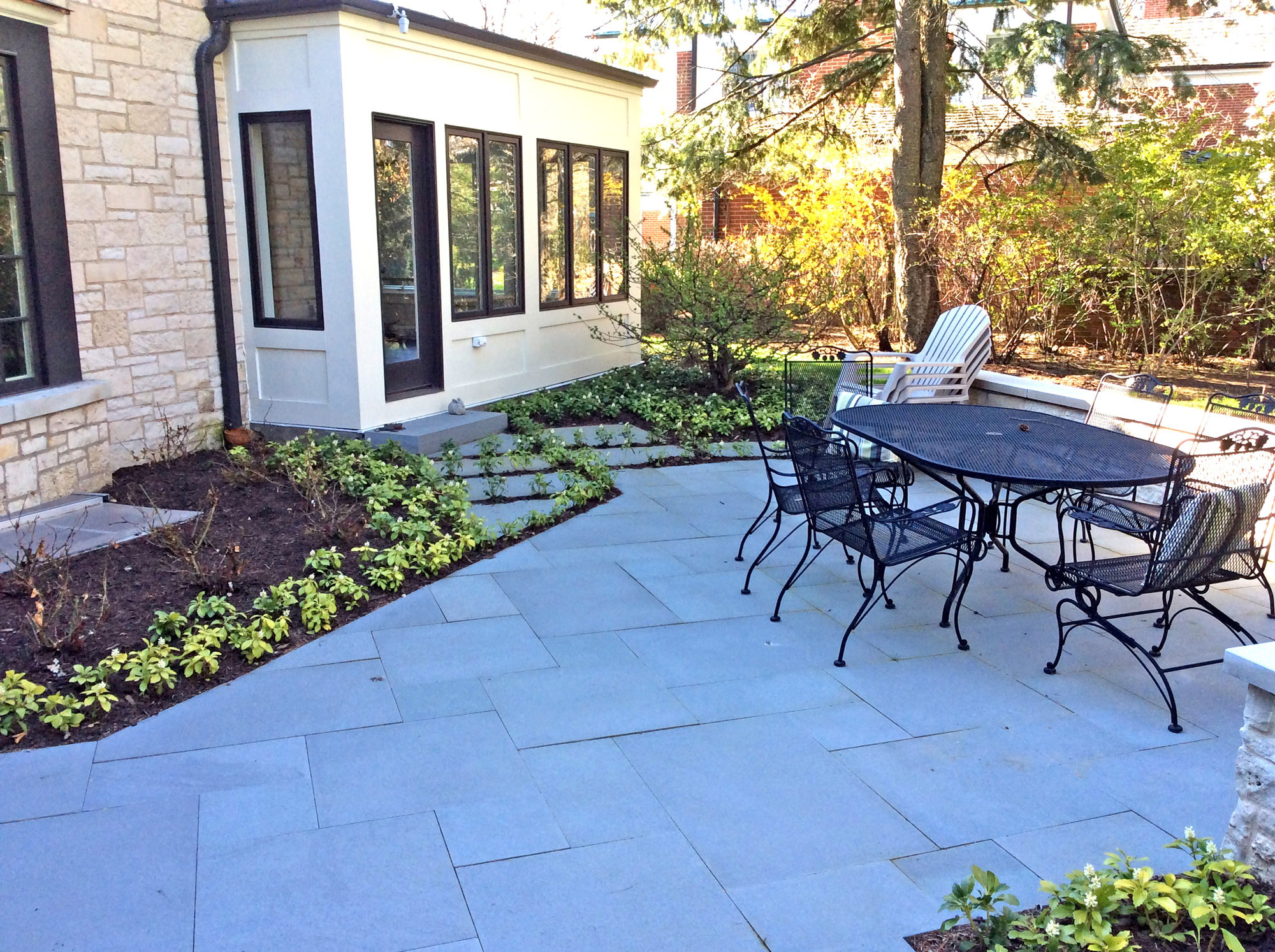
Photo Apr 30, 8 48 36 AM copy
Why Paver Patios Settle in Long Grove
Long Grove sees freeze and thaw cycles, wet springs, and dry summers. Those changes push and pull at the ground under your patio. If the base was not built to the right depth or compacted well at the start, tiles can sink or heave. Drainage is another factor. Downspouts that dump water near your patio or soil that stays saturated can wash out bedding sand and cause edges to spread. Tree roots, heavy grills, and furniture can add to the stress. Over time, joints lose sand, ants tunnel, and weeds take hold. All of this shows up as loose, uneven, and unsafe surfaces.
When you see early warning signs, a reset is often the smartest fix. It protects your investment and stops bigger problems from forming. Trusted stone restoration contractors long grove know how to diagnose the root cause and reset your patio to last.
The 5 Signs Your Paver Patio Needs Resetting
1. Uneven or Sunken Pavers
If you feel a dip when you walk or see low spots where chairs wobble, your base may have settled. Sunken areas usually show up along high traffic paths and near steps. Left alone, these spots become trip hazards. They can also collect water that soaks into the base and makes the problem worse. A proper reset lifts the pavers, repairs the base, and levels the surface to a smooth, even plane.
2. Puddles That Linger After Rain
Water should move off your patio within a short time after a storm. If puddles stick around for hours, the surface has lost its slope or the bedding layer has shifted. Standing water stains pavers, encourages moss, and wears down joint sand. It can also push water toward your home. Resetting corrects the grade, improves drainage, and protects your foundation and hardscape.
3. Spreading Edges and Creeping Borders
When edge restraints fail, the outside rows can start to spread. You may notice the soldier course shifting outward or gaps forming along the border. Over time, this creeping movement can break patterns and open joints across the whole patio. The fix is not just to add more sand. The edge must be resecured with proper restraints and spikes on a solid base. Then the pavers can be aligned and interlock restored.
4. Loose Joints, Weeds, and Washed-Out Sand
Joints are the glue that helps lock a paver surface tight. If you see weeds sprouting, ants tunneling, or sand missing, the joints have broken down. Hosing in more sand is a short-term patch. A reset lets us clean the joints, install high quality polymeric sand, and compact it into place. The result resists washout, insects, and weed growth. It also gives your patio a clean, fresh look.
5. Wobble and Rocking Underfoot
A patio that moves when you step on it is telling you something is wrong under the surface. Rocking pavers can come from a thin or uneven bedding layer, poor compaction, or base contamination. Simply tapping a loose paver back down rarely lasts. Resetting addresses the base and bedding layer so each unit is fully supported and the surface feels solid again.
What Resetting a Paver Patio Really Means
Resetting is not a quick patch. It is a careful process that brings your patio back to like-new performance. Here is what a professional reset typically includes:
- Inspection and plan. We walk the area, check grades, identify edge failures, and mark any damaged pavers that need replacing.
- Lifting and staging. Pavers are lifted by hand and stacked by pattern so they can go back in the right order.
- Cleaning the units. We remove old sand, dirt, and organic buildup so joints can lock tight when reinstalled.
- Excavation and base repair. Soft spots are dug out to stable subgrade. We add new base stone to the correct depth for the site.
- Compaction. Base is compacted in thin lifts for a dense, even layer. We check slope for proper drainage away from your home.
- Bedding layer. A fresh layer of bedding sand is screeded to a uniform thickness to support the pavers.
- Reinstall pavers. Units are placed in the original pattern, aligned, and cut where needed for clean edges.
- Edge restraints. New restraints and spikes are installed tight to the paver edge to stop movement.
- Joint sand and lock-in. Polymetric sand is swept into joints and vibrated in with a plate compactor for solid interlock.
- Final clean and check. We remove excess sand, rinse as appropriate, and inspect the surface for smooth, even lines.
This process preserves your original material whenever possible and addresses the true cause of the problem. It brings back a safe, smooth surface that looks great and drains correctly.
Repair or Replace? How to Decide
Not every patio needs a full rebuild. Many Long Grove patios respond well to a targeted reset. Consider these points as you decide:
- Extent of movement. If issues are limited to certain areas, a partial reset can solve the problem. Widespread heave or failure across the whole surface may call for more extensive work.
- Base condition. If the base is thin, soft, or poorly compacted, resetting with proper base repair gives long-term value without the cost of starting from scratch.
- Paver condition. Quality pavers last for decades. If your units are chipped, spalled, or mismatched, replacing select pieces or swapping to new pavers may be best.
- Drainage and grade. If water runs toward your home or sits everywhere, a regrade as part of a reset is a smart safety measure.
- Budget and timeline. Resetting often saves material cost and reduces downtime compared to a full replacement.
A clear inspection from experienced stone restoration contractors long grove will help you choose the right path with confidence.
Why Homeowners Choose Poul’s Landscaping & Nursery
Since 1966, Poul’s Landscaping & Nursery has helped families in Long Grove care for their outdoor spaces with respect and skill. When your patio needs attention, our team brings both hardscape expertise and a gardener’s eye. We protect your plantings, keep your site tidy, and deliver results that last. When you search for stone restoration contractors long grove, you want a partner rooted in the community, not a fly-by-night crew. Poul’s is that local partner.
- Local knowledge. We understand Lake County soils, freeze-thaw cycles, and how to build for our climate.
- Trained crews. Our team follows proven installation standards for base depth, compaction, and drainage.
- Respect for your landscape. We shield beds, minimize disturbance, and place materials carefully.
- Quality materials. We use proper base stone and polymeric sand designed for paver systems.
- Clear communication. You get a detailed plan, timeline, and updates from start to finish.
- Long-term value. Resets are done to prevent repeat issues, not just to look good for a week.
A Long Grove Original With Deep Roots
Poul’s Landscaping & Nursery began in 1966 when Paul, known by the Danish spelling Poul, started the company with one full-time employee, a pick-up, and a trailer. He learned from Otto Damgaard, one of the area’s early landscape contractors, then brought that craft to his own clients. The business grew from the basement of Paul and Margit’s Prospect Heights home while they raised their children Dan, Annette, and Alan.
In 1983, Poul’s invested in 45 acres in Long Grove with a barn and farmhouse, planning a nursery and office on the site. Dan joined the company in 1986 after earning a marketing degree, and the first trees were planted that year. The landscape services office opened at the farm in 1992. Alan came aboard in 1993 with a horticulture degree from The Ohio State University and soon led nursery operations. In 1999, Poul’s added 112 acres in Wadsworth for wholesale nursery fields. Today, Poul’s Landscaping & Nursery offers a full range of landscaping services, from paver patio resets to lawn health, seasonal color, and even holiday lighting. The goal is simple: transform outdoor spaces with care and craftsmanship.
What to Expect During Your Free Patio Inspection
We designed our inspection to give you clear answers fast. There is no pressure, just facts and options you can trust.
- Walkthrough and measurement. We review high and low spots, edges, patterns, and trip hazards.
- Drainage check. We look at downspouts, grading, and where water wants to go.
- Base assessment. We probe soft areas and test for compaction in settled zones.
- Material review. We inspect pavers for damage and note matches if replacements are needed.
- Photo documentation. You receive before photos and a plan of the work area.
- Written plan and estimate. You get a clear scope, timeline, and staging plan so you know what to expect.
If you are comparing stone restoration contractors long grove, ask for this level of detail. It shows the contractor understands both the surface and the structure underneath.
Care Tips After Your Patio Is Reset
A few simple habits will keep your patio strong and beautiful after a reset.
- Protect new joints. Keep the surface dry and clear for the first 24 to 48 hours while polymeric sand cures.
- Sweep often. Remove leaves and debris before they break down and stain the surface.
- Rinse gently. Use a garden hose with a spray nozzle rather than a high-powered washer that can dislodge sand.
- Watch drainage. Extend downspouts away from the patio. Clear splash blocks and keep grades open.
- Choose the right shovel. Use a plastic shovel for snow to avoid scratching pavers. Avoid salt that can damage concrete units.
- Use furniture pads. Place protective feet under heavy outdoor furniture to distribute weight.
- Plan seasonal checks. Each spring, inspect edges, joints, and any high-traffic spots. Call if you see movement.
Frequently Asked Questions About Paver Patio Resetting
How long does a reset take?
Most small to medium patios are completed in one to three days depending on size, access, and the amount of base repair needed. Large patios or projects with complex drainage corrections may take longer. We will give you a clear schedule before work begins.
Will you reuse my existing pavers?
Yes, whenever possible. If your pavers are in good shape, we clean and reinstall them to protect your investment and keep the original look. If some units are cracked or badly worn, we can source matching or complementary pieces through our supplier network and nursery connections.
Can you work in spring and fall?
Yes. Spring through late fall is ideal for resets in Long Grove. We aim for dry weather and temperatures above freezing so base work and polymeric sand cure properly. We schedule around rain and will protect your site if weather changes during the process.
How much does it cost?
Cost depends on patio size, access, extent of base repair, edge restraint needs, and whether replacements are required for any pavers. A focused reset is usually more cost effective than full replacement. Your written estimate from Poul’s Landscaping & Nursery will outline each item so you can see where dollars go.
Do I need a permit?
Most patio resets do not require a permit since we are not expanding the footprint. If your project includes new steps, walls, or changes close to property lines, we will advise you on any village requirements and help with documents if needed.
Why Local Expertise Matters
Choosing local stone restoration contractors long grove is about more than convenience. It is about getting a patio that stands up to our climate and soils. Local crews understand frost depth, clay pockets, and the drainage patterns that can make or break a reset. At Poul’s Landscaping & Nursery, we build and repair with those details in mind so you get long-lasting results and a smooth, safe surface.
Ready to Restore Your Patio? Here Are Your Next Steps
If your patio shows any of the five signs above, start with a free inspection. Poul’s Landscaping & Nursery will evaluate your space, explain the best options, and give you a detailed plan. We treat your home with care and aim to make the process simple and stress free. When you are looking for stone restoration contractors long grove, choose a team with deep roots and a proven process. Schedule your inspection today and bring your Long Grove patio back to life for the seasons ahead.
