
Is Your Mature Oak Tree Sick? 5 Signs of Decay
Is Your Mature Oak Tree Sick? 5 Signs of Decay

Is your mature oak tree sick? Learn 5 signs of decay, catch hazards early, and protect your landscape. Read on and book an inspection with Poul’s Landscaping & Nursery.
Mature oaks are the quiet giants of Illinois yards. They shade patios, shelter wildlife, and anchor your property’s value. If an oak starts declining, small symptoms can quickly lead to big risks like branch failure or full tree loss. With the right know-how and timely care, you can catch problems early. This guide covers five signs of decay to watch for, simple steps to protect your tree, and how Poul’s Landscaping & Nursery can help with expert advice and services rooted in decades of local experience.
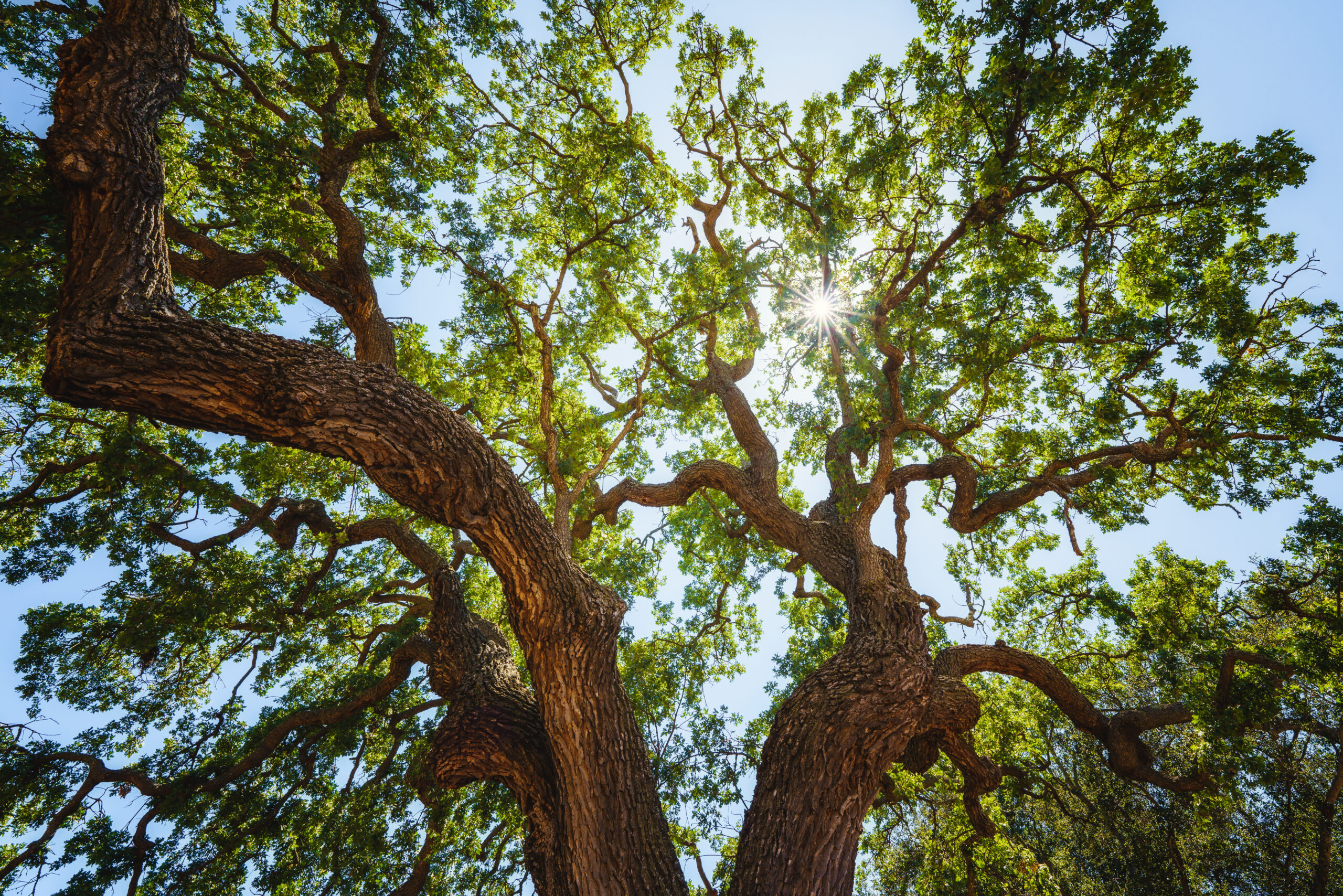
Majestic green oak tree on a meadow, and shining sun
Majestic green oak tree on a meadow, and the sun shining through branches
Why Mature Oaks Matter in Illinois Landscapes
Oaks can live for centuries in Illinois, outlasting trends and tying a landscape together. Their deep roots help steady our clay soils, and their broad canopies cool homes and reduce energy costs. Strong oaks also feed and shelter songbirds, owls, squirrels, and pollinators. Because they grow and heal slowly, damage from storms, construction, or disease can take years to show. That is why regular checks and smart maintenance are essential.
Quick Guide: tree identification illinois for Common Oaks
Before you judge your tree’s health, it helps to confirm which oak you have. Different species handle stress differently. The white oak group is usually more tolerant of pruning and disease. The red oak group can decline faster if infected by certain pathogens. If you are unsure, ask Poul’s Landscaping & Nursery for help with tree identification illinois during a site visit. Here are quick pointers:
- White oak group: Leaves have rounded lobes with smooth tips. Common species include white oak, bur oak, and swamp white oak. Bark tends to be light gray and flaky on white oak, deeply ridged on bur oak. Acorns mature in one season.
- Red oak group: Leaves have pointed tips with tiny bristles. Species include northern red oak and pin oak. Bark is darker and more furrowed. Acorns often take two seasons to mature.
- Site clues: Pin oaks thrive in wetter spots and often hold brown leaves into winter. Bur oaks tolerate drier conditions and have very thick, corky bark on older trees.
- Seasonal hints: In spring and summer, leaf shape is clear. In fall, red oaks often turn red or bronze. White oaks lean toward softer reds and purples. In winter, look at bud shape, branching, and bark to confirm ID.
Correct ID guides pruning timing, watering choices, and disease risk. Poul’s Landscaping & Nursery can integrate tree identification illinois into your overall landscape plan so each tree gets the right care.
5 Signs Your Mature Oak May Be Sick or Decaying
1. Thinning Canopy and Off-Season Leaf Drop
A full, even canopy is a healthy oak’s calling card. If you see sections of sparse leaves, dead twigs at the tips, or early leaf drop, pay attention. The problem could be drought stress, root damage, or a disease. Watch for these clues:
- Witches’ brooms or clusters of small, weak shoots along main branches. This often means the canopy is stressed and the tree is trying to replace lost growth.
- Leaves that brown from the edges inward, or show yellow veins with dark patches. In our area, bur oak blight and anthracnose can create leaf problems. Two-lined chestnut borer attacks often follow drought stress.
- Sudden browning on one side of a red oak during summer. That pattern can be a red flag for oak wilt, which needs quick professional attention.
What to do now: Take clear photos from different angles, note when symptoms started, and avoid heavy pruning until a professional checks the tree. Gentle, deep watering during dry spells can help a stressed oak recover. Mulch correctly to keep roots cool and moist.
2. Mushrooms or Shelf Fungi at the Base or on the Trunk
Fruiting bodies like conks, shelves, or clusters of mushrooms often signal internal decay. Common wood decay fungi can weaken the trunk or roots long before the outside looks bad. Look closely for:
- Shelf-like conks at the trunk base or where a large branch meets the trunk. They may be brown, white, or reddish and can appear in late summer or fall.
- Clusters of honey-colored mushrooms near the root flare, which can be linked to root diseases in compacted or poorly drained soils.
- Areas of bark that sound hollow when tapped. A gentle knuckle tap can reveal changes in tone that suggest empty or softened wood inside.
What to do now: Do not break or remove conks for fun. Leave them in place for proper identification by a pro. Keep foot traffic and equipment away from the base to reduce stress on compromised roots. Call Poul’s Landscaping & Nursery to coordinate a tree risk assessment with trusted arborist partners if needed.
3. Cracks, Cankers, or Peeling Bark
Healthy bark is your oak’s armor. Deep splits, oozing patches, and loose bark often mean there is infection or internal stress. You may notice:
- Vertical cracks after a harsh winter. Freeze and thaw cycles can stress bark on the sunny side of the trunk.
- Cankers, which are sunken, dead areas that may ooze dark sap. These can girdle a branch or part of the trunk and lead to dieback above the wound.
- Large sections of bark peeling away. If the layer under the bark is dry and brown instead of greenish white, the area is no longer alive.
What to do now: Avoid scraping or sealing wounds. Keep lawn equipment and string trimmers away from the trunk to prevent new injuries. If you see multiple cankers or peeling areas, schedule an inspection.
4. Cavities, Soft Wood, and Insect Activity
Hollows are not always a death sentence, but size and location matter. A cavity in the main trunk or at a critical branch union can raise the risk of failure. Watch for:
- Large openings where water collects. Standing water speeds rot.
- Wood that is spongy or crumbles when probed gently.
- Trails of carpenter ants, sawdust-like frass, or heavy woodpecker activity. These usually show up after decay has started and can be a clue that the structure is weakening.
What to do now: Keep people and pets out of the fall zone until a pro evaluates the risk. Do not pack cavities with concrete or foam. That traps moisture and can worsen decay.
5. Root Problems and Structural Lean
Most failures begin below ground. Roots are hidden, so you must read surface clues:
- Soil heaving or fresh cracks in the ground near the root flare, especially after storms.
- Raised side and crushed side around the base of the tree if a new lean appears. That can mean anchoring roots have failed.
- Girdling roots circling the trunk just under the mulch. Over time they choke off water and nutrients.
What to do now: If you see a new lean or fresh soil cracks, keep clear and seek a professional risk assessment. Avoid piling mulch against the trunk. A visible root flare is a healthy sign. Poul’s Landscaping & Nursery can perform careful root collar work and adjust mulch to reduce stress.
What Causes Decay in Illinois Oaks
Many factors combine to weaken an oak. Often the first injury happens years before problems show. In our northern Illinois climate and soils, these are frequent triggers:
- Soil compaction from parking, patios, or heavy foot traffic in the root zone.
- Construction damage such as trenching or grade changes over roots.
- Improper pruning cuts and tree topping that invite decay.
- Overmulching that buries the root flare and holds moisture against the bark.
- Drought followed by heavy rain, which stresses roots and invites pests.
- Salt exposure along roads and sidewalks.
- Pests and diseases that target stressed oaks, including two-lined chestnut borer, anthracnose, bur oak blight, and oak wilt.
Good planning prevents many of these issues. Poul’s Landscaping & Nursery can help you map out projects so your oak’s root zone stays protected.
What to Do If You Notice Warning Signs
- Protect people. Rope off seating, play, and parking under suspect limbs until the tree is checked.
- Document symptoms. Take photos from the same spots over time and note weather patterns. This helps pros make a better diagnosis.
- Reduce stress. Water slowly and deeply during dry weeks. Aim for moist, not soggy, soil. Apply a 2 to 3 inch mulch ring that stops a few inches from the trunk.
- Avoid quick fixes. Skip heavy fertilizer blasts, sealants, or cavity fillers. Most do more harm than good.
- Get expert help. Contact Poul’s Landscaping & Nursery to schedule a visit. We offer landscape and nursery expertise and coordinate with certified arborists when advanced tree risk evaluation or pruning is needed.
Professional Help: Assessment, Care Options, and When Removal Is Best
An experienced eye can tell if a mature oak is a safe keeper or a growing risk. A professional may recommend one or more of the following:
- Health and risk assessment. Visual inspection, sounding, and sometimes specialized tools to gauge internal wood strength.
- Soil testing and improvement. Amending compacted soils and adjusting irrigation for long-term root health.
- Structural pruning. Removing dead or defective limbs and improving branch spacing in the canopy. For oaks, dormant season pruning is preferred in our region to lower disease risk.
- Cabling and bracing. In select cases, hardware can support a valuable limb or union. This option needs regular follow-up.
- Disease and pest management. Targeted treatments may help when timed correctly, especially for borers and some leaf diseases.
- Removal and replacement. If decay or lean makes failure likely, safe removal protects your family and property. Poul’s Landscaping & Nursery can guide species selection and placement using tree identification illinois so your next tree thrives.
When choosing a new tree, consider site conditions, mature size, and diversity. Mixing species reduces the chance that one pest wipes out your canopy in the future. Our nursery roots mean Poul’s Landscaping & Nursery can match you with healthy stock and plant it the right way.
Prevention: Simple Habits to Keep Your Oak Strong
- Mulch smart. Create a wide ring with wood chips or shredded bark, 2 to 3 inches deep, and keep it off the trunk.
- Water wisely. During dry spells, water slowly once a week under the canopy edge. Mature oaks prefer deep, infrequent watering over frequent sprinkles.
- Limit compaction. Keep cars, heavy equipment, and new hardscapes outside the drip line if possible. Use paths or stepping stones to manage foot traffic.
- Prune in winter. In Illinois, late fall to midwinter is best for oak pruning. Avoid spring and early summer to reduce oak wilt risk.
- Sanitize tools. Clean pruning equipment between trees. If emergency pruning in warm months is unavoidable, a thin coat of pruning paint on oak cuts can help deter beetles that spread oak wilt.
- Watch the base. Expose the root flare, remove excess mulch, and avoid nicking the bark with mowers and trimmers.
- Plan construction. Involve a landscape pro early so root zones are protected during projects.
Why Choose Poul’s Landscaping & Nursery
Poul’s Landscaping & Nursery has served Illinois homeowners since 1966. Our story began when Paul, known as Poul in Denmark, built a family business with one truck, one trailer, and a passion for plants. From a Prospect Heights basement office to nursery fields in Long Grove and Wadsworth, we have grown while staying true to careful, honest work. Today, our team brings horticulture training, local knowledge, and a full range of services to your yard. From plant health care and seasonal color to lawn enhancements and even holiday lighting, we plan and maintain landscapes that last.
When you need help with tree identification illinois, oak health checks, or a full redesign that respects your legacy trees, Poul’s Landscaping & Nursery is ready. We understand our climate, soils, and the unique needs of white and red oak groups. We also coordinate with trusted arborists for specialized pruning or risk work, so your project stays simple and safe from start to finish.
FAQs About Oak Tree Decay in Illinois
Can a decaying oak be saved?
It depends on where the decay is and how much sound wood remains. If decay is limited and the structure is strong, corrective pruning and improved root care can extend the tree’s life. If a main union or root plate is compromised, removal may be safest. Diseases like oak wilt progress fast in the red oak group. White oaks sometimes respond to selective pruning and care if caught early. A professional evaluation is the only way to be sure.
How often should I have mature oaks inspected?
Schedule a check once a year and after major storms or any construction near the root zone. Mature trees benefit from a steady watch because small issues are simpler and less costly to fix when caught early.
When is the best time to prune an oak in Illinois?
Late fall through winter is the safest window. Avoid pruning in spring and early summer when beetles that carry oak wilt are active. If emergency pruning is needed in warm months, make clean cuts and consider sealing the fresh wound on oaks only to deter insect vectors. For routine work, skip sealants.
What happens during a Poul’s Landscaping & Nursery visit?
We start with a walk-through of your property, confirm species with tree identification illinois if needed, and note site conditions like soil, drainage, and nearby structures. We outline options that fit your goals and budget. If advanced tree work is called for, we help coordinate with skilled arborists and then integrate any follow-up care into your landscape plan.
Schedule Your Oak Health Check
If your oak shows any of the five signs of decay, do not wait. A careful assessment can be the difference between a simple fix and a major loss. Contact Poul’s Landscaping & Nursery to book an inspection. We are proud to serve homeowners across northern Illinois, including communities near Prospect Heights, Long Grove, and Wadsworth. From accurate tree identification illinois to practical, long-term care, our friendly team is here to protect your landscape and keep your oaks strong for years to come.
